
15 Small Kitchen Storage Ideas With No Drilling (Renter-Friendly)
I still remember the day I opened my kitchen cabinet and a avalanche of lids came tumbling out — plastic containers, pot lids, a baking tray I hadn’t seen in months, all crashing onto the floor at once. I stood there, barefoot, surrounded by the chaos, and thought: there has to be a better way to live in a small kitchen.
And here’s the thing — I rent. I can’t drill holes in the walls or bolt shelves into the tiles, and I definitely can’t explain to my landlord why there are twelve new holes behind the stove.
If your kitchen feels like it’s bursting at the seams but your lease says “no drilling,” this one’s for you.
Key takeaways: No-drill storage works best when you use the space you already have — inside cabinet doors, under shelves, on the sides of your fridge, and above your sink. Tension rods and adhesive hooks do most of the heavy lifting, and they cost next to nothing. Start with one zone — usually the cabinet under the sink or the spice situation — and build from there.
1. Tension Rods Under the Sink
The cabinet under the sink is the most wasted space in almost every small kitchen. It’s dark, it’s awkward, and the pipes eat up half of it. A tension rod changed everything for me. I fitted a cheap spring rod across the cabinet, just below the top, and suddenly had a rail for spray bottles. The bottles hang by their triggers, the cleaning supplies sit neatly below, and I can actually see what I own.
Tip: Measure the inside width of your cabinet before you buy — tension rods come in sizes, and one that’s too short will keep slipping down.
Try this weekend: hang your three most-used spray bottles on a tension rod and clear the floor of the cabinet for a small bin.
2. Over-the-Door Racks on Cabinet Doors
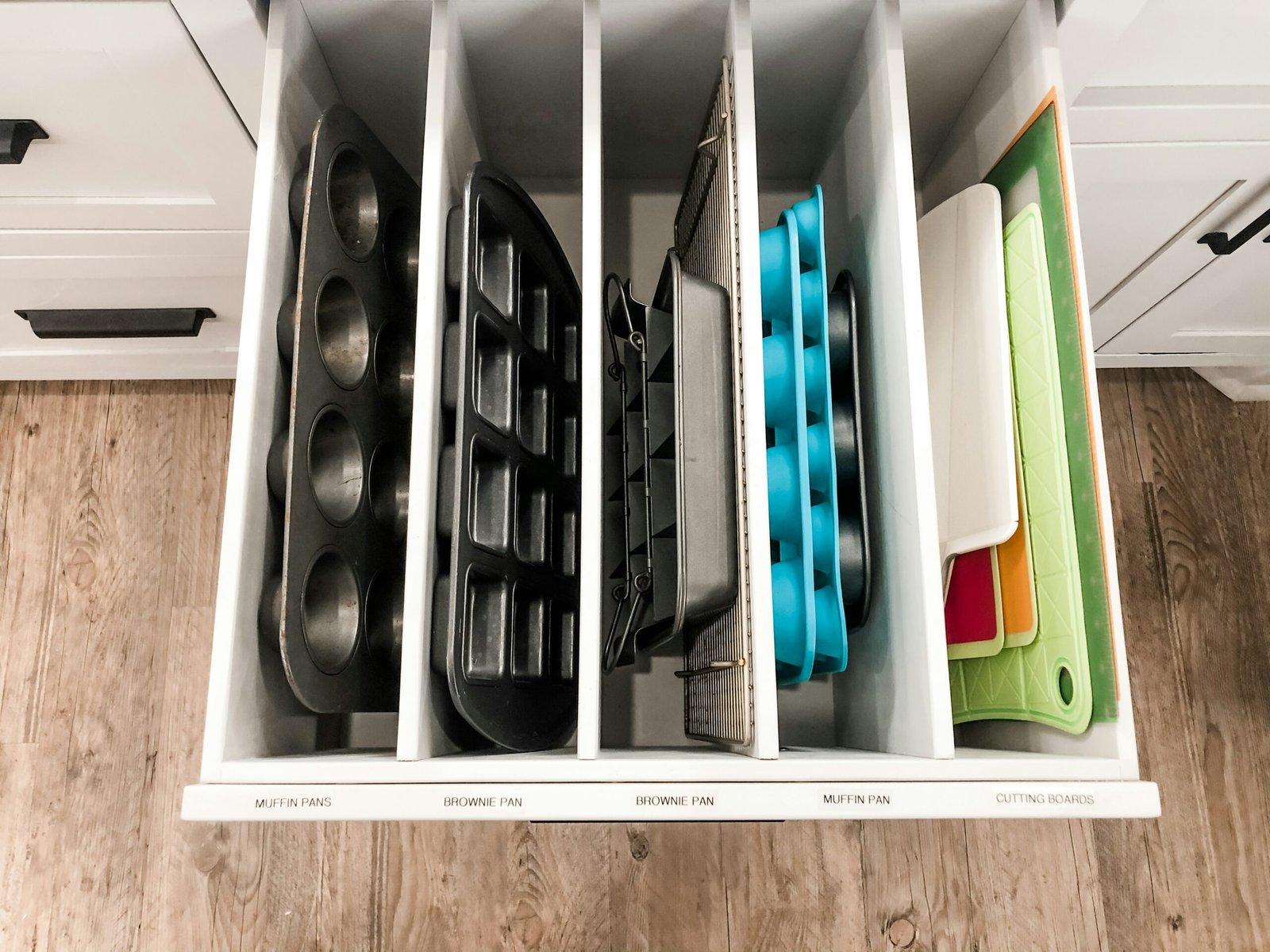
Your cabinet doors are free real estate. An over-the-door rack hooks right over the top of the door — no screws, no adhesive, nothing permanent — and gives you instant storage for cutting boards, baking sheets, foil, and cling wrap.
I keep one inside my pantry door for cutting boards and another under the sink for cleaning cloths. The trick is picking a rack that’s slim enough that the door still closes properly. If the door won’t shut, the rack is too thick — try a wire one instead of a chunky plastic one.
3. Command Hooks Inside Cabinet Doors
This one sounds too simple to matter, and then you try it and wonder why you waited so long. A few strong adhesive hooks on the inside of a cabinet door hold measuring cups, small ladles, and even the lids to your pots.
I hung my measuring cups in a row on the inside of the cabinet above the stove, and now I grab them without even thinking. They used to live in a drawer, buried under a tangle of whisks.
Mistake I made: I stuck my first hooks on a greasy cabinet door without cleaning it first. They fell off within a day, taking my favorite measuring cup with them. Clean the surface with soap and water, let it dry completely, and then stick the hook on. It makes all the difference.

4. Stackable Shelf Risers Inside Cabinets
Most kitchen cabinets are tall and empty — one shelf, a huge gap, and then everything stacked in a wobbly tower. A stackable shelf riser splits that dead vertical space into two usable levels.
I put risers in the cabinet where I keep plates and bowls. Plates on the bottom, bowls on the riser, and suddenly nothing is buried anymore. They’re cheap, they need no installation, and you can move them to a different cabinet anytime.
Tip: Look for risers with a non-slip surface, or add a small piece of shelf liner underneath so they don’t slide when you pull a plate out.
Try this weekend: add one riser to your most crowded cabinet and see how much easier it is to reach the back.

5. A Rolling Cart That Goes Where You Need It
If you have even a sliver of gap — between the fridge and the wall, next to the counter, at the end of the kitchen — a slim rolling cart can live there. Mine is barely wider than a cutting board, and it holds oils, vinegars, spices, and the snacks I reach for every day.
The beauty of a rolling cart is that it moves. I wheel mine next to the stove when I’m cooking and tuck it back when I’m done. No drilling, no commitment.
For more ideas on making a small kitchen feel bigger, I wrote about small kitchen decor ideas — the layout tricks there pair perfectly with these storage fixes.

6. Magnetic Strips and Hooks on the Fridge
The side of your fridge is a storage wall you’re probably ignoring. Strong magnetic hooks hold dish towels, oven mitts, and even small baskets for packets and sachets. A magnetic knife strip on the side of the fridge frees up an entire drawer.
I was skeptical about magnets holding anything useful, but a good neodymium magnetic hook holds far more than you’d expect. Just test the weight slowly — hang the item, step back, and check it after an hour before you trust it with something breakable.
Mistake I made: I bought the cheapest magnetic hooks I could find and loaded one with a full bag of flour packets. It slid down the fridge in the middle of the night and scared me half to death. Cheap magnets are fine for a dish towel — for anything heavier, spend a little more on strong ones.

7. Under-Shelf Baskets That Clip On
Under-shelf baskets are wire baskets that slide onto an existing shelf and hang underneath it, creating a whole extra layer of storage from thin air. I use one under the shelf above my coffee station for mugs, and another inside the pantry for snack bars and tea boxes.
They take about ten seconds to install — you just slide them on — and they cost less than a takeaway coffee. The only rule: don’t overload them. They’re for light things, not a stack of heavy bowls.
Try this weekend: clip one basket under your top pantry shelf and move all the small packets that usually get lost at the back into it.
8. A Tension Rod as a Lid Organizer
Pot lids are the worst. They don’t stack, they slide around, and they take up a ridiculous amount of space. Here’s my favorite no-drill trick: mount a tension rod vertically inside a cabinet, or horizontally across a deep drawer, and slide your lids in behind it like files in a folder.
I did this in the cabinet next to my stove, and my lids finally stay upright and sorted. The rod costs almost nothing and you can reposition it in seconds if you change your mind.
9. Hooks on the Side of Upper Cabinets
The narrow side panel of an upper cabinet — the bit that faces the wall or the fridge — is usually dead space. A row of adhesive hooks there holds mugs, measuring jugs, or a small basket for onions and garlic.
I hung a little wire basket on the side of my upper cabinet for onions, and it freed up a whole section of my counter. It also looks kind of charming, honestly — like a tiny market stall in my kitchen.
Tip: If you rent, use removable adhesive hooks, not permanent ones. When you move out, they peel off cleanly with no marks.
10. A Pegboard That Leans (No Screws Needed)
Pegboards are wonderful for kitchens — hooks for pans, baskets for utensils, a place for everything — but they usually need screws. The renter-friendly version? A small pegboard that leans against the wall on your countertop, held steady by the counter behind it or a couple of adhesive strips at the top.
I leaned a small pegboard against the wall beside my stove and hung my most-used utensils on it. It looks intentional, it keeps the drawer clear, and it took me five minutes. If you’re nervous about it toppling, a strip of removable mounting tape at the top edge holds it rock solid.
For a dedicated coffee corner, the same lean-and-hook idea works beautifully — I shared a full setup in my small coffee bar ideas post.
11. Stacking Bins in the Pantry
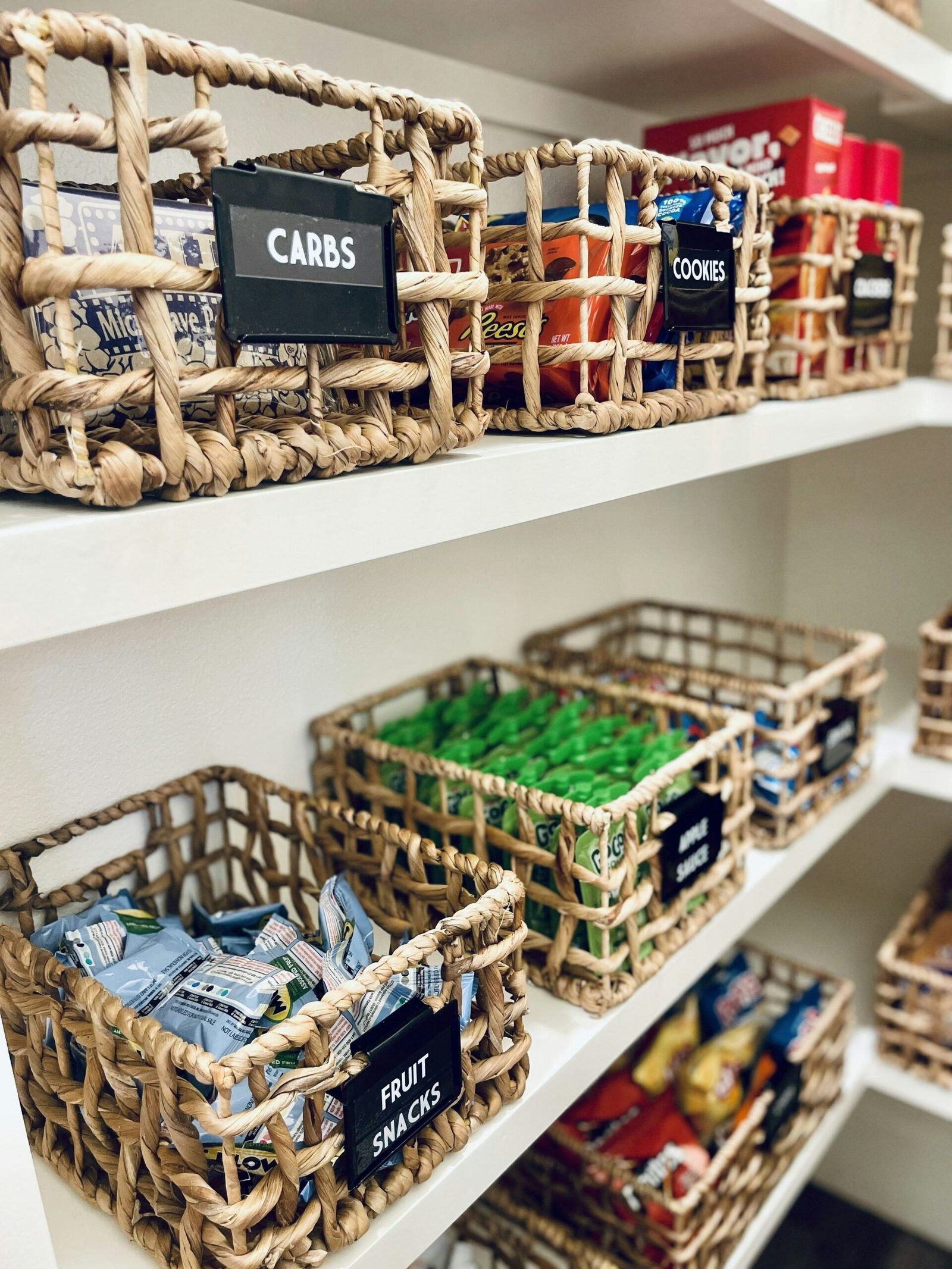
Open pantry shelves are chaos without containers. Stacking bins — the clear, rectangular kind — turn a jumbled shelf into a neat set of drawers you can pull out.
I use them for pasta, rice, snacks, and baking supplies. The clear sides mean I can see when I’m running low, and the stacking means I use the full height of the shelf. Label them if you like — I used a marker on masking tape, and it honestly looks better than I expected.
Try this weekend: decant your three most-used dry goods into stacking bins and label them. It takes twenty minutes and the pantry will feel brand new.
12. Suction Cup Storage for the Sink Area
The area around the sink collects clutter like nothing else — sponges, brushes, soap bottles, dishcloths. Suction cup caddies stick right onto smooth tiles or the side of the sink and hold all of it, keeping the sponge off the counter where it goes soggy.
The key word is smooth. Suction cups need a flat, non-porous surface — glazed tile or glass works, textured tile doesn’t. Clean the surface first, press firmly, and give it a few seconds to seal before you load it up.
Mistake I made: I stuck a suction caddy onto a textured tile and loaded it with a full soap bottle. It held for about three hours, then slid off into the sink with a crash. Lesson learned — suction is for smooth surfaces only. On textured tiles, use adhesive hooks instead.

13. A Door-Mounted Spice Rack (Inside the Pantry Door)
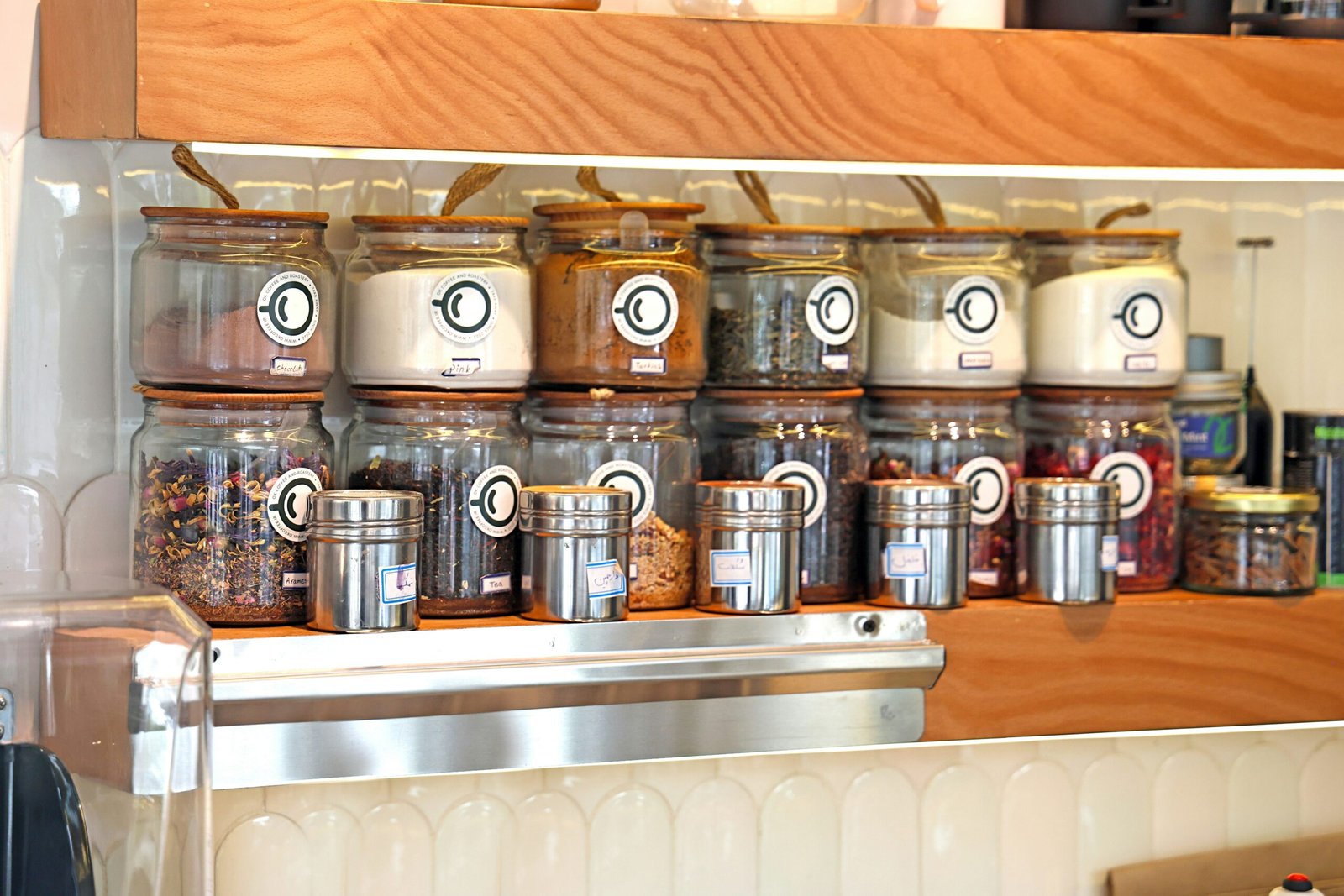
Spices are small but they eat an entire shelf if you let them. A slim rack that hangs over the inside of the pantry door — or sticks on with strong adhesive strips — gets every jar off the shelf and into one visible row.
I alphabetized mine, which sounds excessive until you realize you stop buying duplicates of cumin because you can actually see that you already own three jars of it. Your shelf space comes back, and cooking gets faster because the spice you need is right there at eye level.
Try this weekend: move all your spice jars onto the pantry door and see how much shelf space you win back.
14. Drawer Dividers and Small Trays (No Installation)
Kitchen drawers without dividers become junk drawers within a week. Simple bamboo or plastic dividers — the expandable kind that just wedge in place — turn one chaotic drawer into neat lanes for cutlery, gadgets, and tools.
I divided my main utensil drawer into five sections and, honestly, it felt like I gained a whole extra drawer. Small trays inside deep drawers work the same way for things like foil, wraps, and sandwich bags. Nothing is screwed in, nothing is stuck down — you just drop them in.
Tip: Measure your drawer before buying dividers. A divider that’s even a centimeter too long won’t sit flat, and one too short will slide around every time you open the drawer.
15. Use the Top of Your Cabinets (With Baskets)
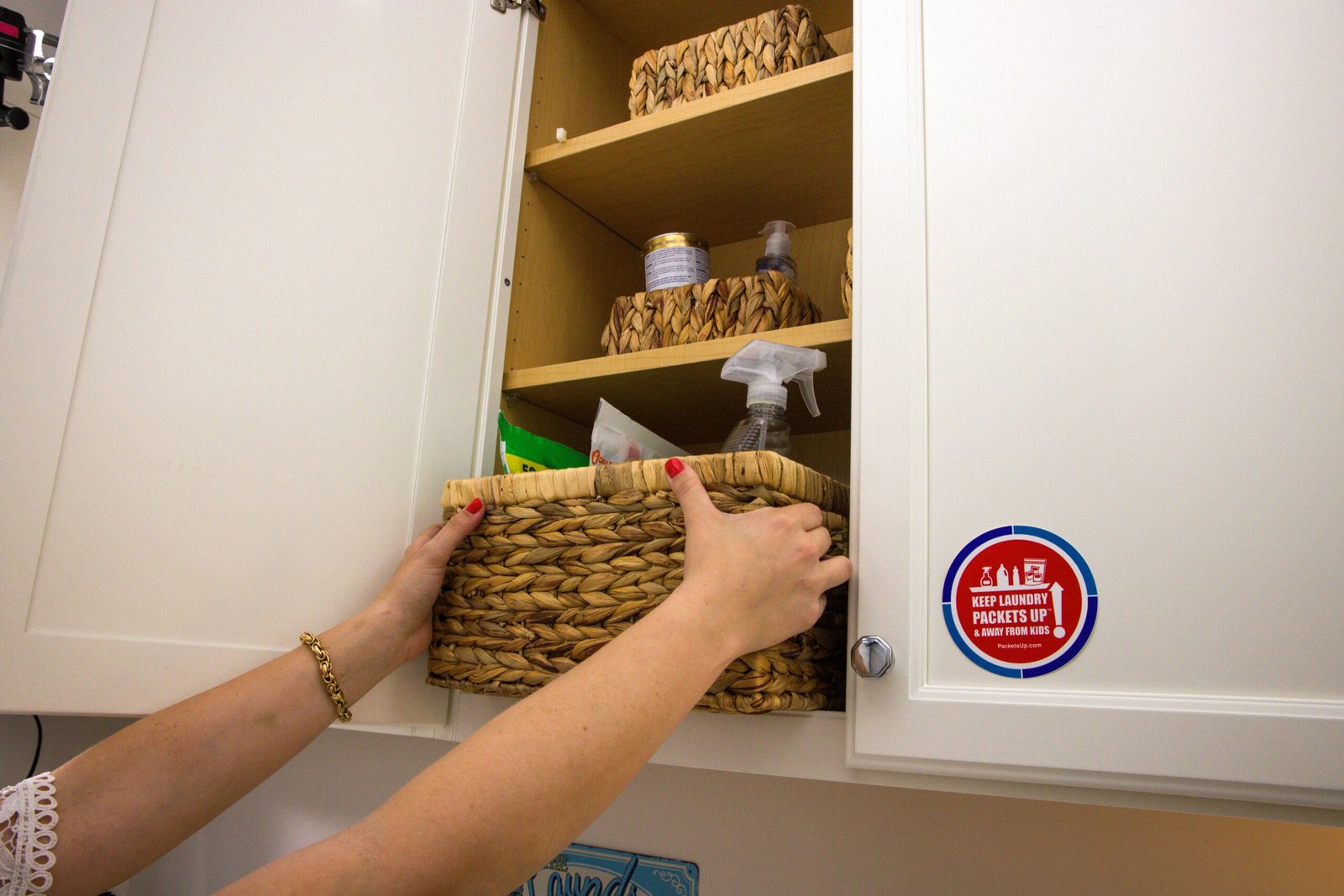
If there’s a gap between the top of your upper cabinets and the ceiling, that’s storage — for the things you use rarely. Pretty baskets up there hold seasonal baking gear, the big serving dishes, or the picnic set that only comes out in summer.
Keep it to a few matching baskets, not a random pile, or it will look like clutter instead of storage. I keep three woven baskets up top and rotate things down when I need them.
If you’re planning a bigger kitchen refresh, my budget kitchen makeover ideas post covers low-cost changes that pair beautifully with this storage reset — same renter-friendly spirit, no drilling required.
How to Start (Without Overwhelming Yourself)
Fifteen ideas is a lot, and I don’t want you to try all of them this weekend. Here’s what I’d actually do: pick one zone — the cabinet under the sink, the spice shelf, or the pantry door — and fix just that. One small win makes the whole kitchen feel different.
Key takeaways: Start small, one zone at a time. Tension rods, adhesive hooks, and over-door racks solve most small-kitchen storage problems for very little money. The goal isn’t a perfect kitchen — it’s a kitchen where you can find things without a rescue mission.
FAQs
Do tension rods really hold up in a kitchen cabinet?
Yes — as long as you size them right. Measure the inside of the cabinet and choose a rod that extends a little beyond that width so the spring stays compressed. They’re best for light to medium loads like spray bottles and lids, not heavy pots.
Will adhesive hooks damage my rental walls or cabinets?
Removable adhesive hooks are designed to come off cleanly when you follow the removal instructions — usually you pull the tab slowly downward. Always clean and dry the surface before sticking them on, and avoid using them on peeling paint or wallpaper.
What’s the best no-drill storage for a very tiny kitchen?
Start with the inside of your cabinet doors and the side of your fridge — those two spots can hold measuring cups, lids, towels, and spices without taking up any counter or shelf space. Then add one rolling cart if you have a gap for it.
Can I use suction cup storage on any tile?
Suction cups only work on smooth, non-porous surfaces like glazed tile, glass, or stainless steel. They won’t hold on textured, matte, or grout-heavy surfaces. For those, use removable adhesive hooks instead.
How do I keep my storage from looking cluttered?
Use matching containers and baskets in one or two materials, keep the number of things on display small, and hide the rest behind cabinet doors. A few neat baskets look intentional; a dozen mismatched containers look like a mess.
Your turn
Which of these 15 ideas are you going to try first? I’m genuinely curious — is it the tension rod under the sink, the spice rack on the pantry door, or the rolling cart you’ve been thinking about for months? Tell me in the comments, and if you’ve got a no-drill storage trick I haven’t mentioned, share it — I read every comment and I steal the best ideas shamelessly.
Written by Irtza — I write cozy, budget-friendly home decor ideas for small spaces. Real homes, renter-friendly tricks, and the honest mistakes I made along the way.




One Comment