15 Minimalist Living Room Ideas for Calm Small Spaces (2026)
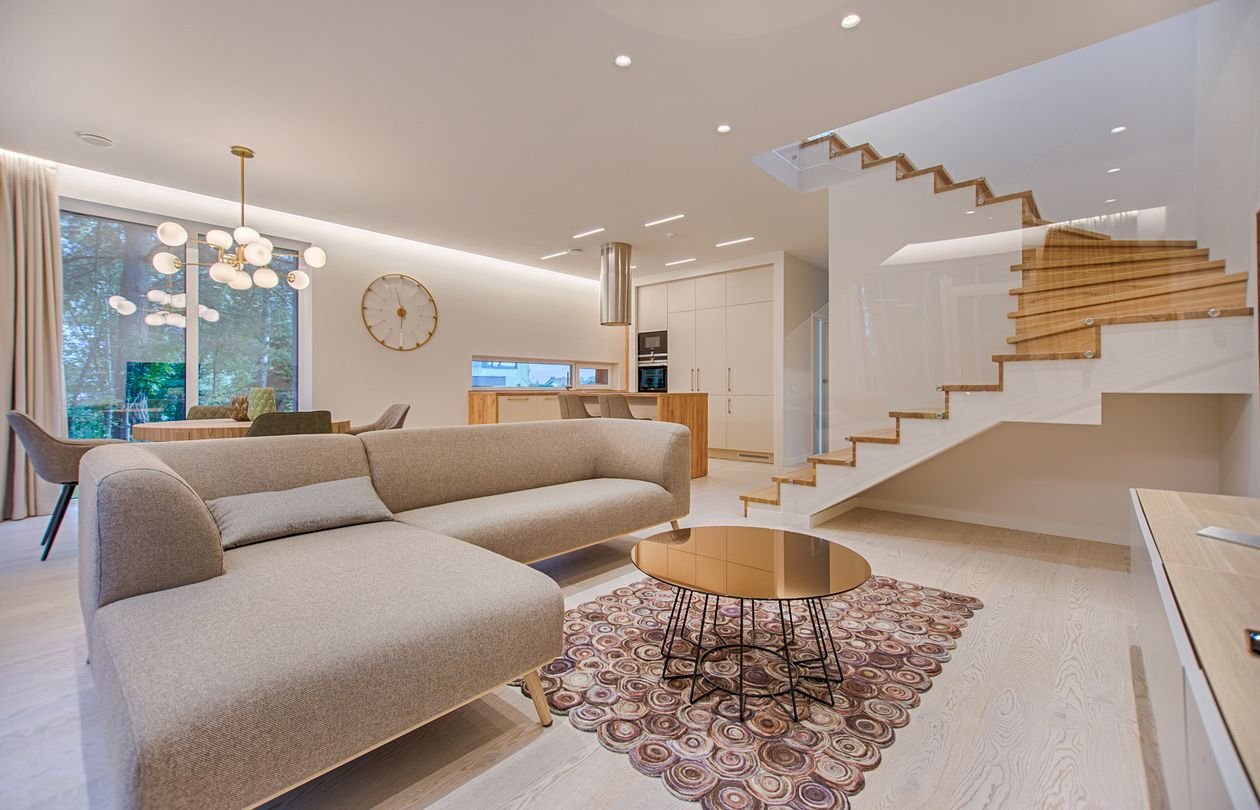
Minimalism has a reputation problem. Too many people hear "minimalist living room" and picture a cold white box with one chair and nothing to love. But real minimalism — the kind that actually works in a small home — isn't stark at all. It's warm minimalism: calm, uncluttered, and still deeply cosy.
The goal isn't to own as little as possible. It's to own only what earns its place, and to let each piece breathe. A calm small living room has fewer things, but everything in it is beautiful, useful, or both — and there's always somewhere to put your feet up.
These 15 ideas are made for small living rooms: rented flats, studio apartments, and cosy family rooms where every centimetre counts. No gut renovations, no expensive furniture — just smart choices that make a small space feel calm, open, and like home.
1. Start With a "Less, But Better" Mindset
Before you buy or move anything, decide what your living room is for. Watching films? Reading? Hosting two friends? Working from the sofa sometimes? Every item that doesn't serve one of those purposes is a candidate for removal.
Walk the room with a box and remove anything you haven't used or loved in the last month. You're not throwing it away — you're testing whether you miss it. Most of the time, you won't, and the room will already feel calmer.
- Keep a short list of the room's three jobs (e.g. relax, read, host).
- If an object serves none of them, it lives somewhere else.
- Revisit the edit every season — calm is a habit, not a one-time purge.

2. Choose a Warm Neutral Palette
Minimalism doesn't mean all-white. In fact, all-white in a small room can feel clinical. Warm neutrals — soft cream, warm greige, oatmeal, pale sage, light taupe — make a small room feel calm and inviting.
Pick one main neutral for walls and large furniture, then add one slightly deeper tone (a warm wood, a soft clay) for contrast. That's the whole palette. Everything else in the room should sit inside it.
- Warm white walls with warm wood floors are the classic calm base.
- Add depth with one darker accent: a walnut side table, a charcoal cushion, a deep green plant pot.
- Avoid cool greys and bright whites together — they fight each other and feel cold.
💡 Tip: Paint a test patch and look at it morning, noon, and evening. Neutrals shift dramatically with light, and the warm one at noon can look pink at dusk.

3. Pick One Focal Point and Let It Lead
Every calm room has one place your eye lands first — a fireplace, a large window, a beautiful sofa, a piece of art. Choose one focal point and arrange everything around it. Without one, the eye wanders and the room feels scattered, no matter how tidy it is.
In most small living rooms, the focal point is the sofa wall or the window. Put your best piece there — a large framed print, a low wooden console, a statement lamp — and keep the surrounding area quieter.
- A large mirror above the sofa doubles as a focal point and a light-bouncer.
- If you have a view, make the window the star and keep furniture low.
- One big piece of art beats a gallery wall in a small room — less visual noise.

4. Choose Multi-Functional Furniture
In a small living room, every piece of furniture should do at least two jobs. A storage ottoman is a footrest, a coffee table, and a blanket box. A sofa bed is a guest room. A console table is a desk.
Before buying anything new, ask: what else can this do? If the answer is nothing, it's probably the wrong piece for a small space.
- Storage ottomans and coffee tables with shelves hide remotes, books, and chargers.
- A slim console behind the sofa creates a work surface without a desk.
- Nesting side tables give you extra surfaces only when you need them.
For more ideas on making a small living room work harder, see our guide to small living room decor ideas.
5. Hide Storage in Plain Sight
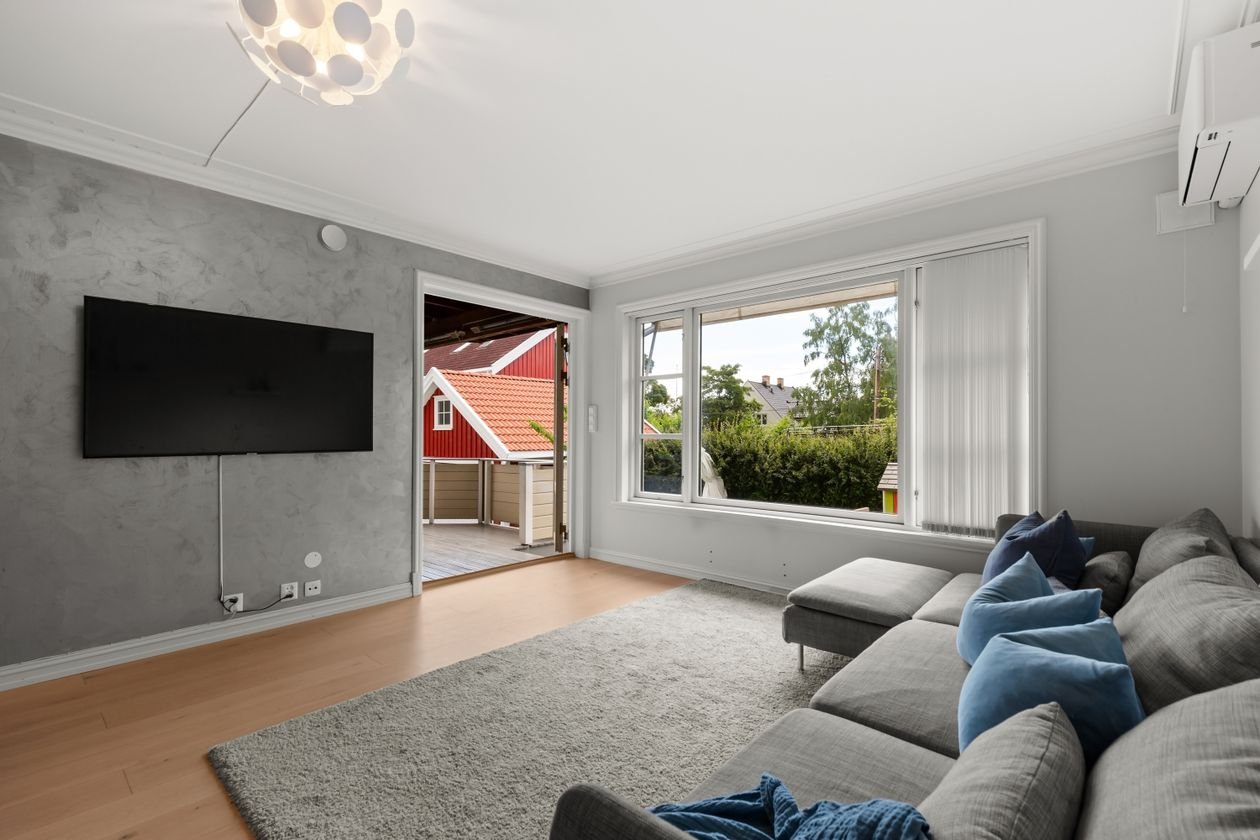
Visible clutter is the number-one enemy of calm. But minimalism isn't about having no stuff — it's about having hidden stuff. Closed storage is your best friend: cabinets, baskets, boxes, and furniture with doors.
Open shelves look beautiful in photos and chaotic in real life, because real life involves chargers, board games, and half-read books. Put the everyday mess behind a door and keep open shelves for a few chosen objects.
- A low, closed sideboard hides more than three open shelves ever will.
- Woven baskets under a console swallow blankets, toys, and cables.
- One closed cabinet per room is worth more than five decorative boxes.
6. Let in Light — Then Soften It
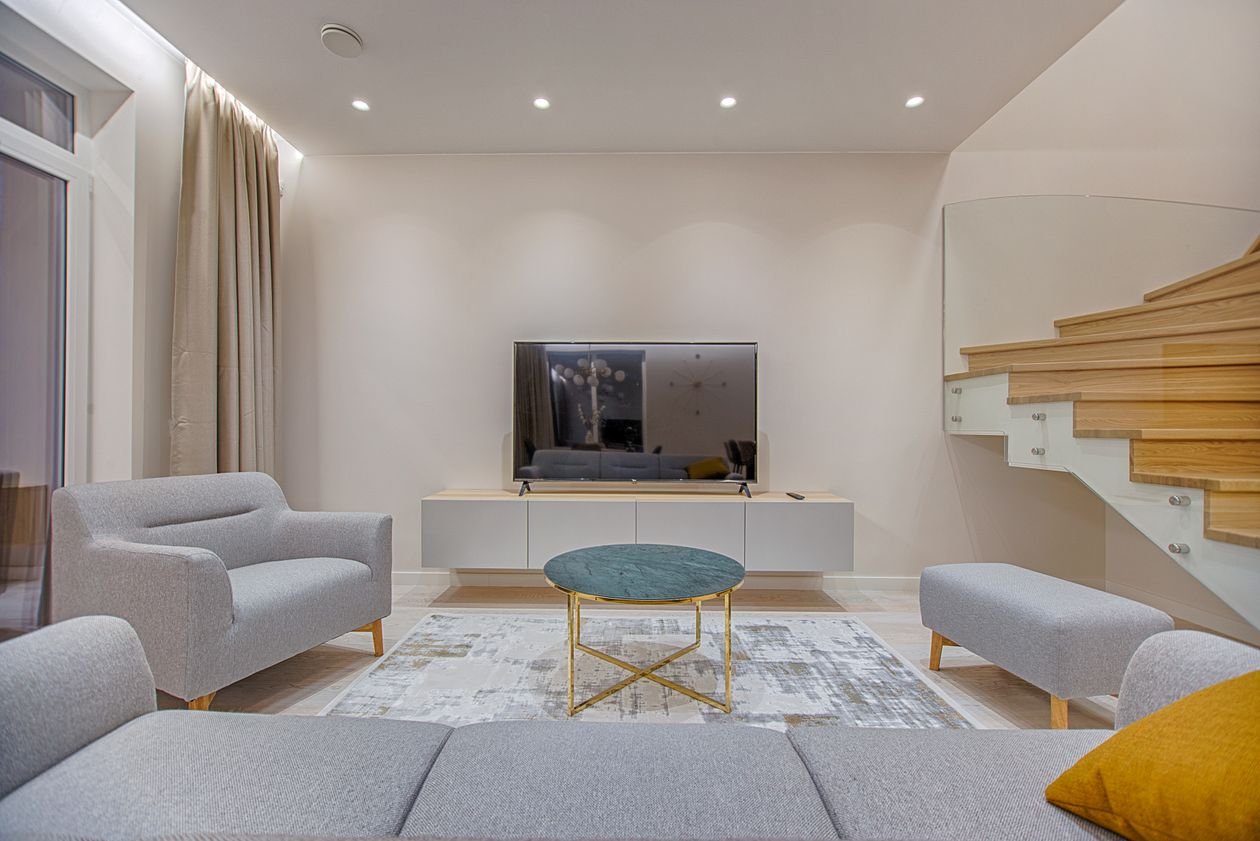
Natural light is the cheapest way to make a small room feel bigger and calmer. Keep windows as clear as possible: sheer linen curtains, no heavy drapes, nothing tall blocking the glass.
Then soften that light so the room glows instead of glares. Sheer curtains diffuse sunlight beautifully, and a warm-toned lamp takes over in the evening.
- Hang curtains high and wide so the window looks bigger than it is.
- A mirror opposite the window bounces light deep into the room.
- Clean your windows — seriously, it makes a visible difference in a small space.
💡 Tip: If your room gets harsh afternoon sun, sheer linen is better than blackout. You want soft light, not a cave.

7. Add Texture, Not Stuff
Here's the secret of warm minimalism: when you take away objects, you add texture. A smooth white room feels empty; a room with a wool throw, a linen cushion, a wooden tray, and a woven rug feels rich — even with almost nothing in it.
Texture is what stops a minimalist room from feeling cold. Layer three or four natural textures and the room will feel complete with far fewer things.
- Bouclé, wool, linen, cotton, wood, rattan — pick three and repeat them.
- A chunky knit throw on a plain sofa does more than five cushions.
- Rough textures (jute rug, raw wood) balance smooth ones (leather, glass, metal).

8. Keep Surfaces Mostly Clear
A coffee table with one book and a candle feels calm. The same table with a book, a candle, three remotes, a mug, a charger, and a stack of mail feels chaotic — even though it’s the same table.
The rule: every flat surface keeps one or two intentional objects, and everything else lives in its home. This takes thirty seconds a day and changes how the whole room feels.
- A tray on the coffee table corrals small items into one intentional group.
- Remotes live in a drawer or a small box — never scattered on the sofa.
- Clear the surfaces every evening; it becomes a two-minute ritual, not a chore.
9. Use Low, Slim Furniture to Open the Floor
Bulky furniture eats a small room alive. Low-profile sofas, slim-legged chairs, and open-based tables show more floor, and more visible floor reads as more space.
Look for furniture with legs you can see under — it lets light and air pass through, and the room feels larger even though the footprint is the same.
- A sofa on legs feels lighter than one that sits on the floor.
- Glass or open-frame coffee tables disappear visually.
- Avoid oversized sectionals unless the room genuinely fits one with space to walk around it.
If your living room doubles as a workspace or a studio layout, our studio apartment layout ideas cover furniture placement for tight spaces.
10. Bring in One or Two Plants — and Mean It
Plants are the exception to minimalism’s “less is more” rule, because a plant isn’t clutter — it’s life. But the same discipline applies: one or two healthy, well-placed plants beat a crowded windowsill of struggling ones.
A single olive tree or fiddle-leaf fig in a corner adds height, colour, and softness. A trailing pothos on a shelf adds movement. Choose plants you can actually keep alive and give them a beautiful pot.
- One large floor plant is the highest-impact choice for a small room.
- Terracotta, ceramic, or matte pots in neutral tones keep the look calm.
- A plant that’s dying is visual noise — replace it or move it to recover elsewhere.
11. Choose Art That Earns Its Wall
In a minimalist living room, art is one of the few decorative voices — so it has to be a good one. One large, meaningful piece beats five small random prints. Choose something you genuinely love, in colours that sit inside your palette, and give it a proper frame and plenty of empty wall around it.
- A single large abstract print above the sofa is a classic for a reason.
- Black-and-white photography adds depth without adding colour noise.
- Leave at least 15 cm of empty wall around a framed piece — it needs air.
💡 Tip: Live with a piece for a week before hanging it permanently. Lean it against the wall first and see how it feels at different times of day.
12. Create a Cosy Corner With a Throw and a Lamp
Minimalist doesn’t mean you can’t be cosy — it means the cosiness is intentional. A reading chair (or just the end of the sofa) with a soft throw, a small side table, and a warm lamp is a complete cosy corner.
This is the spot that makes the room feel like home rather than a showroom. Keep it simple: throw, lamp, book. The lamp’s warm glow in the evening is what makes the whole room feel inviting.
- A floor lamp with a linen shade gives soft, warm light.
- A folded throw on the arm of the sofa is always within reach.
- If you work from the sofa sometimes, a slim side table doubles as a laptop perch.
13. Use a Rug to Define the Space
In a small living room, a rug does two jobs: it defines the seating area and it adds warmth underfoot. Choose a rug big enough that the front legs of the sofa and chairs sit on it — a too-small rug makes the room feel smaller and the furniture look lost.
- A plain or subtly textured rug in a warm neutral keeps the calm palette.
- Low-pile rugs are easier to clean and suit a minimalist look.
- Layering a small rug over a large plain one adds texture without adding pattern noise.
14. Keep Technology Quiet
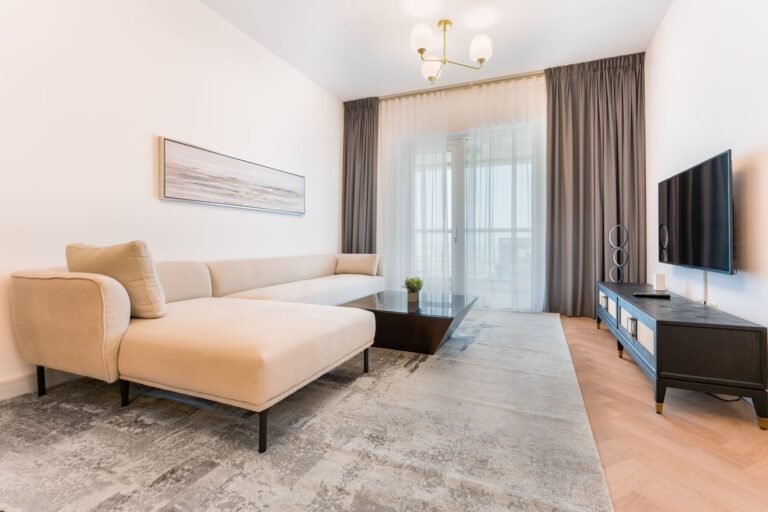
A big black TV is the loudest visual object in most living rooms, and in a minimalist room it dominates everything. Make technology as quiet as possible: mount the TV on the wall, hide cables completely, and give consoles a closed cabinet.
When the TV is off, it should blend in, not shout. A dark-framed TV on a light wall with a console beneath it reads as intentional; cables trailing down the wall read as unfinished.
- Cable covers or in-wall routing are a small job with a huge visual payoff.
- A soundbar on the console beats speakers scattered around the room.
- When not in use, a simple piece of art or a plant near the TV softens the black rectangle.
15. Do a Weekly Ten-Minute Reset
Calm isn’t a style you buy — it’s a rhythm you keep. Once a week, spend ten minutes resetting the room: clear surfaces, fluff cushions, fold throws, water plants, and return anything that wandered in.
This tiny habit is what keeps a minimalist living room actually minimalist. Without it, even the most carefully designed room slowly fills up again — a magazine here, a charger there — until the calm is gone.
- Keep a small basket by the door for things that belong in other rooms.
- Do the reset at the same time each week so it becomes automatic.
- Every month, remove one thing from the room. If you don’t miss it, it stays out.
For budget-friendly ways to refresh your space without buying new furniture, see our DIY home decor ideas.
Bringing It All Together
A calm minimalist living room isn’t empty — it’s edited. Warm neutrals, one focal point, furniture that works twice as hard, hidden storage, soft light, and texture instead of stuff. Add one plant, one piece of art you love, and a cosy corner with a lamp, then keep the surfaces clear with a weekly reset.
Start with the easiest win: clear one surface completely, and hide the clutter behind a closed door. You’ll feel the difference in the room immediately — and that’s the whole point. A small living room doesn’t need to feel small. It needs to feel calm, and calm is a choice you make one object at a time.
FAQs
How do I make a minimalist living room feel cosy, not cold?
Add warmth through texture and light, not objects. Use warm neutrals instead of stark white, layer wool, linen, and wood textures, add one or two plants, and use warm-toned lamps in the evening. A soft throw and a rug underfoot do more for cosiness than any number of decorative items.
What is the best colour for a small minimalist living room?
Warm neutrals work best: soft cream, warm greige, oatmeal, pale sage, or light taupe. These shades reflect light and make the room feel open while staying inviting. Add one deeper tone — warm wood, soft clay, or a muted green — for contrast so the room doesn’t feel flat.
How much furniture should a small minimalist living room have?
Only what serves the room’s purpose: a sofa, one chair or loveseat if space allows, a coffee table or ottoman, one side table, and one closed storage piece. Every item should earn its place by being used regularly. If you have to squeeze past it, it’s too much furniture for the room.
Can a minimalist living room have a TV?
Yes — just make it quiet. Wall-mount it, hide all cables, and place it on the room’s focal wall so it looks intentional rather than dominant. A closed media console underneath hides consoles and remotes. When the TV is off, a plant or piece of art nearby softens the black screen.
How do I keep a minimalist living room tidy with kids or pets?
Use closed storage everywhere — baskets, cabinets, and ottomans with lids — so toys and pet items disappear in seconds. Choose washable, durable fabrics and a low-pile rug. A nightly two-minute tidy (everything back in its basket) keeps the room calm without constant effort, and a weekly ten-minute reset handles the rest.


4 Comments