How to Light a Small Living Room With No Ceiling Light (Renter-Friendly)
I moved into my flat, flipped the light switch by the door, and nothing happened. No ceiling light. Not a broken bulb, not a missing fixture — there simply wasn’t one.
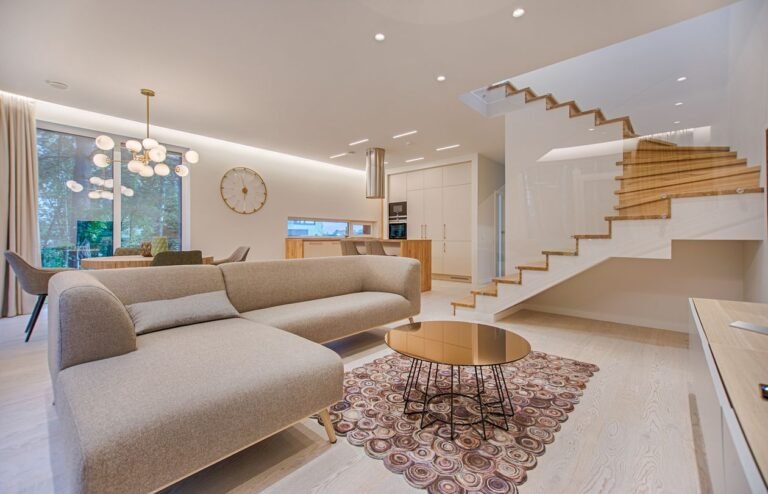
That was the start of a very honest education in lighting. Over the following months I tried floor lamps, table lamps, fairy lights, LED strips, battery candles — some brilliant, some ridiculous. And what I learned is this: a small living room with no ceiling light can actually end up better lit than a room with one harsh overhead bulb.
Key takeaway: Forget the ceiling. Light a small living room with three layers — one tall floor lamp, one or two warm table lamps, and a soft accent glow (LED strip or candles) — and the room will feel warmer and bigger than any single overhead light could make it.
Everything in this guide is renter-friendly: no drilling, no hardwiring, no ceiling fixtures, no damage to get your deposit back. Just plug-in, stick-on, and battery-powered solutions that you can take with you when you move.
Start With Layers, Not One Bright Light
The biggest mistake people make in a room with no ceiling light is trying to replace it with one very bright lamp. One bright bulb in a corner creates a harsh pool of light, deep shadows everywhere else, and a room that still feels dark.
Real lighting designers think in layers, and it’s the easiest mindset shift you can make:
- Ambient light — the general glow that fills the room (your floor lamp).
- Task light — focused light where you read, work, or scroll your phone (a table lamp or reading lamp).
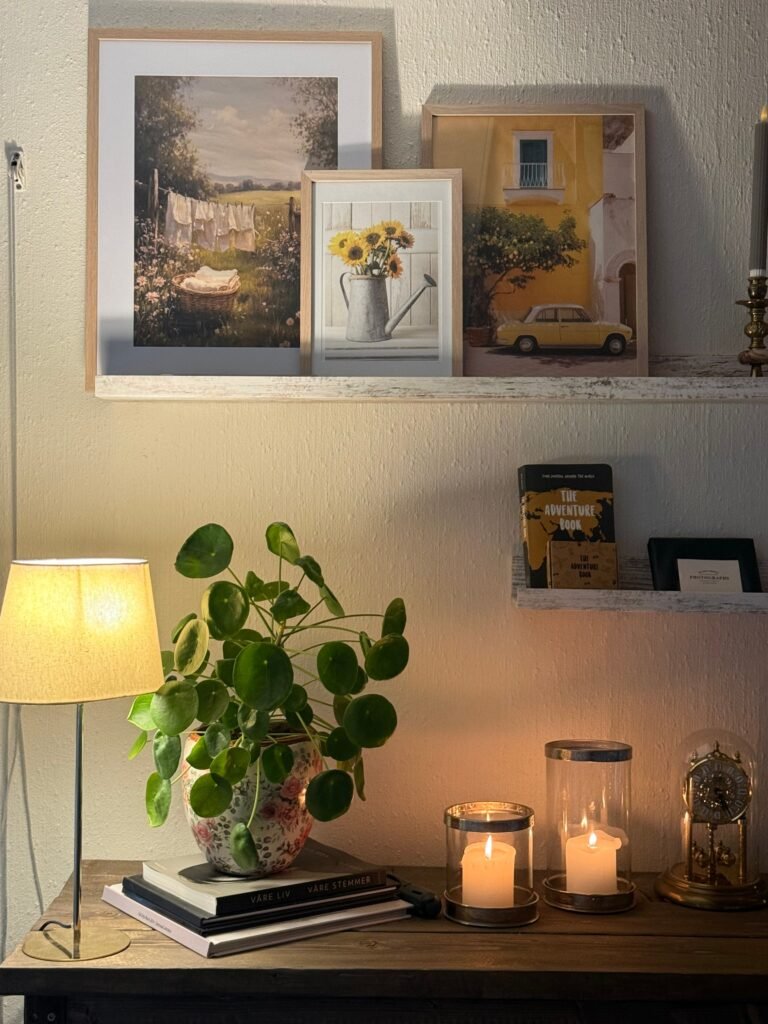
- Accent light — the soft, warm glow that makes the room feel cozy (LED strips, candles, a glowing shelf).
When I stopped chasing one bright light and started adding small warm sources instead, my living room went from a cave with a torch to a room I actually wanted to sit in after dark. And because the light came from several places at once, the shadows softened and the room felt bigger.
Try this weekend: Turn off your brightest lamp for one evening and try two or three smaller warm lights instead. Notice how the room feels.
Layer 1: A Tall Floor Lamp in the Darkest Corner
If you buy one thing, make it a good floor lamp. It does the job the ceiling light was supposed to do — it fills the room with general light — but it does it from the side, which is softer and more flattering than light raining down from above.
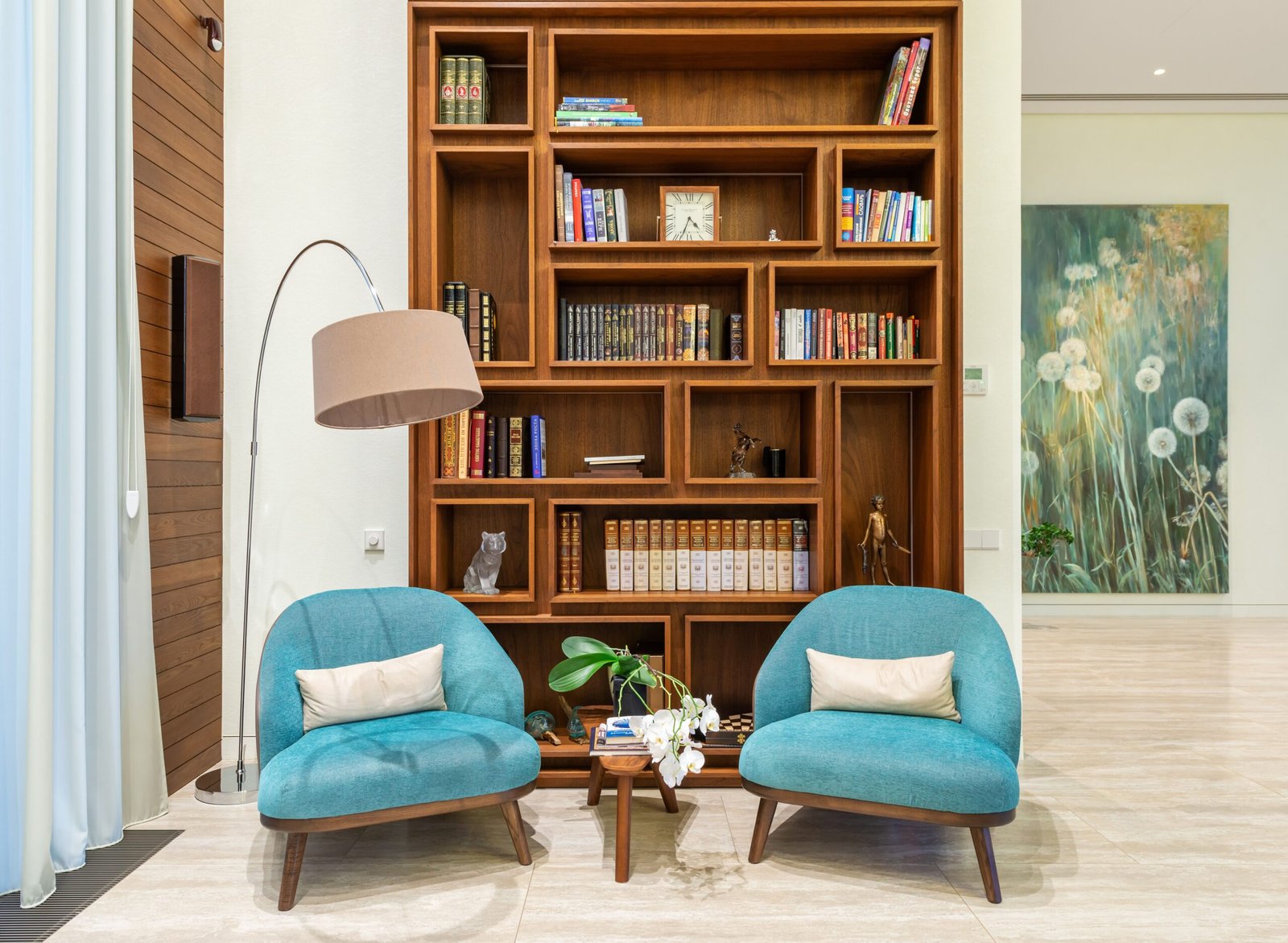
Put it in the darkest corner of the room, usually the corner farthest from the window or the one behind your sofa. The best floor lamps for a small living room are slim arc lamps or tall torchiere lamps that bounce light off the ceiling.
I bought a slim arc lamp second-hand, and it changed the room more than any other single purchase. The arm curves over the sofa, so the light falls exactly where I sit, and the tall shape draws the eye upward — which, in a small room, is always a good thing.
What to look for: a slim base that tucks behind furniture, a warm 2700K bulb, and a dimmer or smart bulb so you can turn it down in the evening. A torchiere style bounces light off the ceiling; an arc style puts light over the sofa.
Try this weekend: Move your floor lamp (or borrow one) into the darkest corner and point it at the ceiling. Stand back and see how much of the room it fills.

Layer 2: Table Lamps on Sofa Ends and Shelves
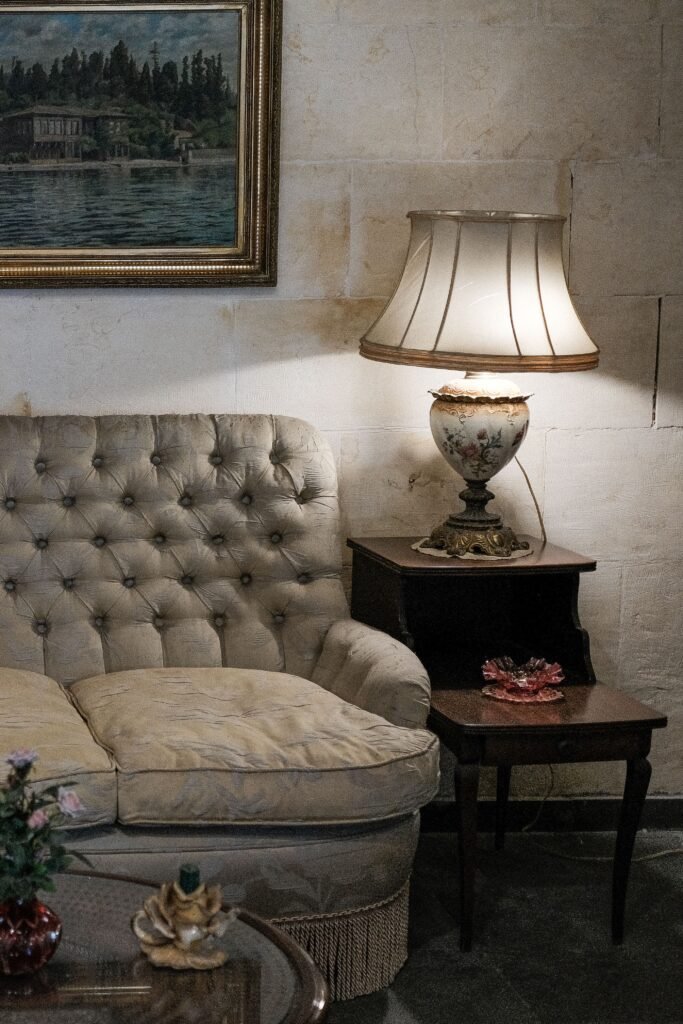
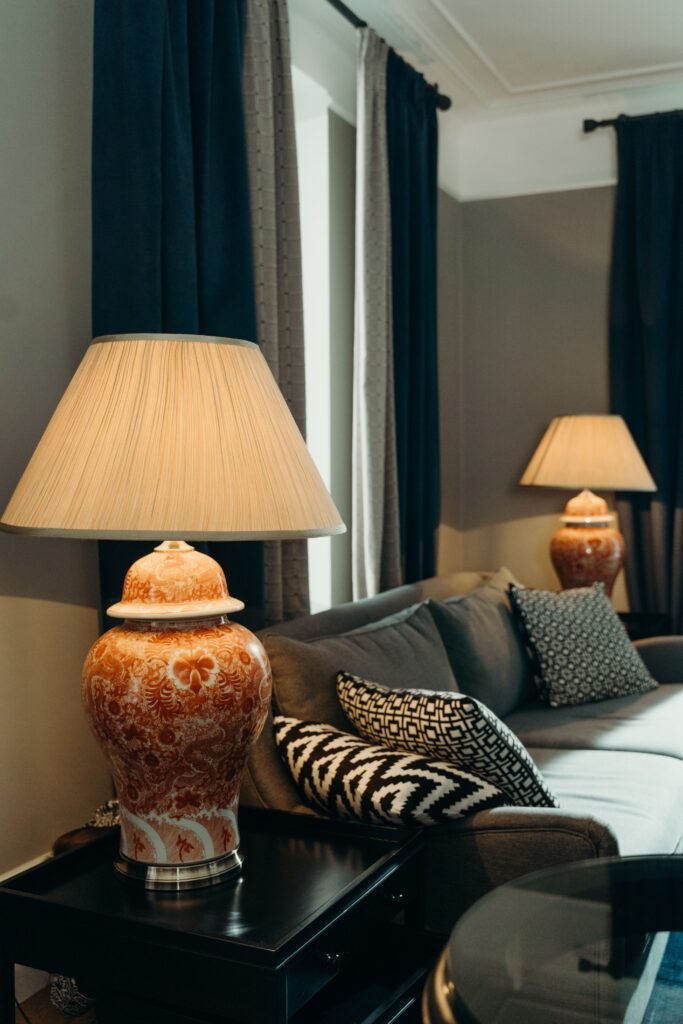
Table lamps are the unsung heroes of a ceiling-light-free room. They put warm light exactly at sitting height, which is where you actually live — reading, talking, watching something. A lamp on a side table beside the sofa, or on a shelf behind it, creates a pool of warm light that makes the whole seating area feel intentional and cozy.
I have two small table lamps in my living room now: one on the side table next to the sofa, one on the bookshelf across the room. Neither is bright on its own. Together with the floor lamp, they make the room feel completely lit — and because the light comes from different heights and directions, there are no hard shadows.
What to look for: small bases (a chunky base eats a small side table), warm fabric shades in linen or cream that glow rather than glare, and a switch on the cord — the easiest plug-in setup.
Mistake I made: I bought a pair of tall, heavy table lamps because they looked impressive in the shop. On my small side tables they took up all the space, blocked the walkway, and the shades were at eye level when I sat down, so the bulb glared straight at me. I swapped them for short, slim lamps with fabric shades and the room instantly felt calmer — and I got my side tables back.
Try this weekend: Put any small lamp you already own on the side table next to your sofa, and sit there after dark. That’s the feeling you’re building toward.
Layer 3: LED Strips and Battery Lights for the Cozy Glow
This is the layer that takes a room from “lit” to “lovely.” LED strips and battery-powered lights are cheap, renter-friendly (they stick on with adhesive or sit on a shelf), and they add the soft glow that makes a small living room feel like a place you want to spend the evening.
My favorite spots for them:
- Behind the TV — a warm LED strip behind the television softens the screen glare and makes the whole wall glow.
- Under a shelf or along the top of a bookshelf — the light washes down the wall and makes the room feel taller.
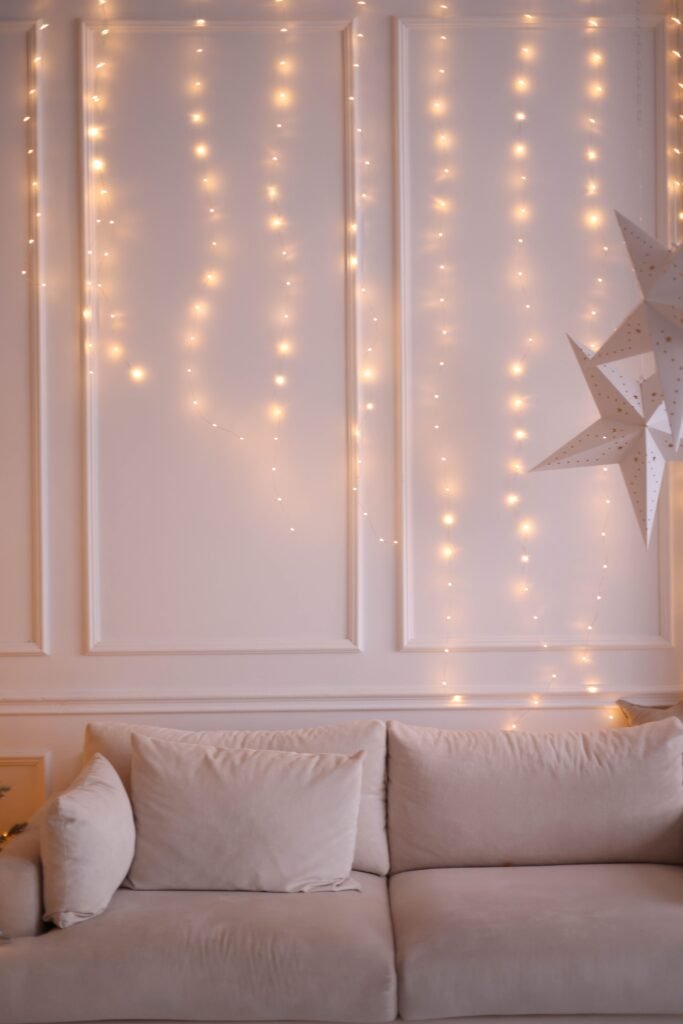
- Battery fairy lights in a jar or along a picture ledge — the easiest, prettiest accent light there is, and you can move it anywhere.
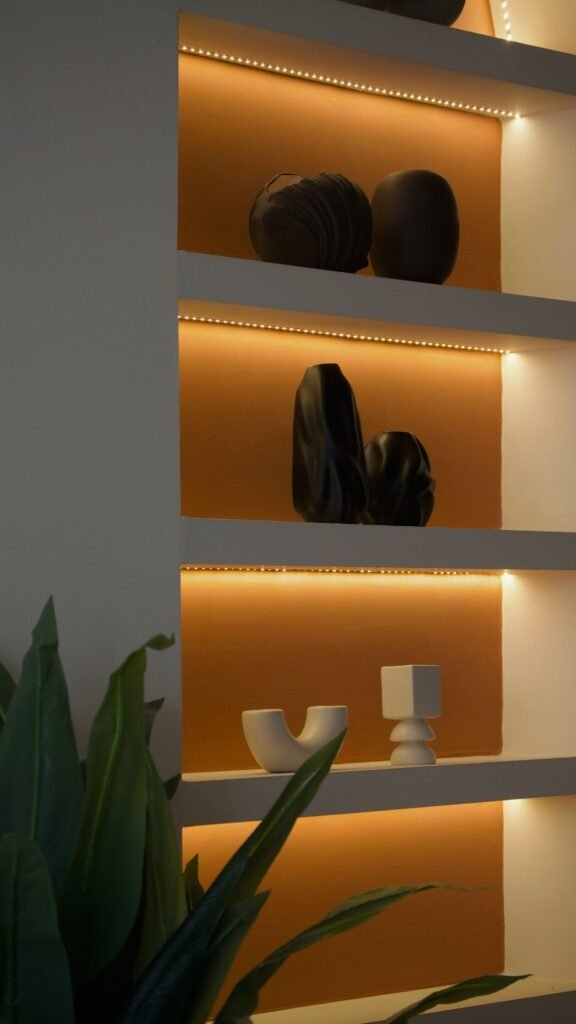
Stick-on LED strips peel off cleanly when you move (warm the adhesive with a hairdryer first), and battery fairy lights leave no mark at all. Both are safe for rentals, and both cost very little.
What to look for:
- Warm white (2700K), not cool white or blue — cool light makes a small room feel like an office.
- Dimmable strips if you can find them, or a strip with a remote.
- Battery fairy lights with a timer, so they switch themselves off.
Mistake I made: My first LED strip was a bright cool-white one, and my living room looked like a convenience store at midnight. I hadn’t even noticed the color temperature on the box. I replaced it with a warm-white strip and the same room suddenly felt like a cozy café. Color temperature matters more than brightness — always check the box for 2700K.
Try this weekend: Stick a warm LED strip behind your TV or under one shelf. Turn the other lights down low and see what the glow does to the room.
Use Mirrors to Double Your Light
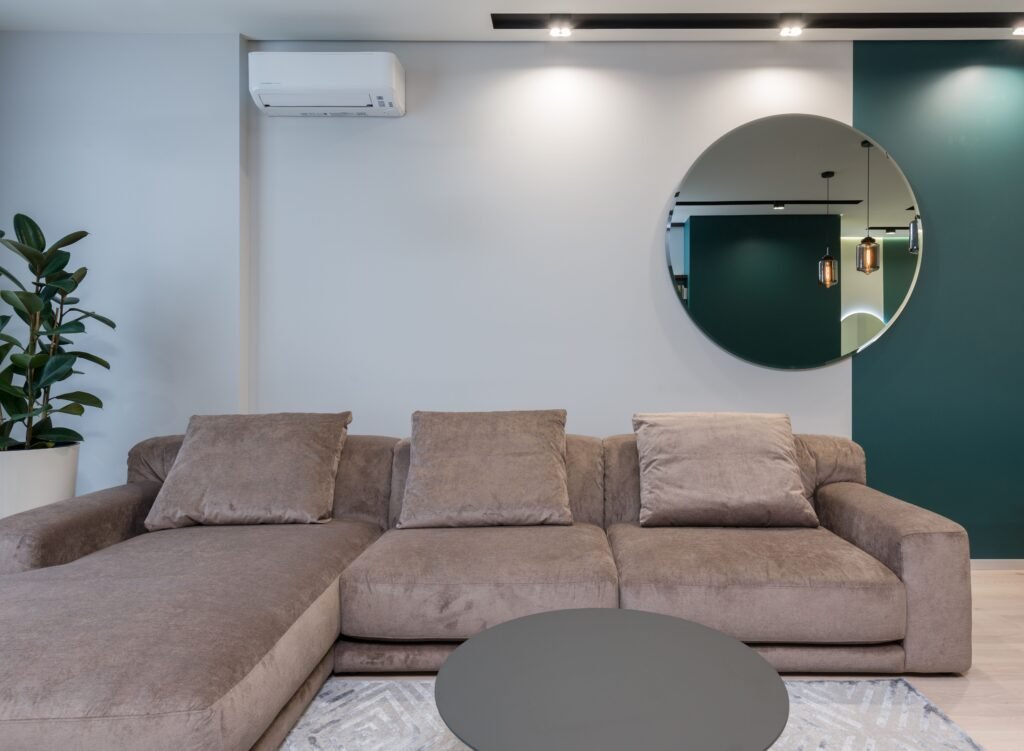
A mirror is a free light source — it doesn’t make light, but it bounces the light you already have around the room, and in a small living room that makes a real difference. Hang or lean a mirror opposite your brightest lamp or across from a window, and it will throw that light into the darkest part of the room.
I leaned a tall mirror against the wall opposite my floor lamp, and the corner behind the sofa — which used to be a black hole after dark — suddenly had a soft glow in it. During the day, the same mirror bounces daylight deeper into the room, so it works around the clock.
How to do it: lean a large mirror against the wall (no drilling needed — just secure the top with a small adhesive strip if you have kids or pets), place it opposite a lamp or a window, never opposite a blank wall, and pick a slim frame — heavy frames eat visual space in a small room. For more on mirrors, layout, and color together, see my guide to small living room decor ideas.
Try this weekend: Prop any mirror you own opposite your main lamp for one evening. Watch where the light lands.
Choose Warm Bulbs Everywhere (2700K Is Your Friend)
If there’s one technical detail worth remembering from this whole guide, it’s this: 2700K warm white. That number is printed on every bulb box, and it tells you the color of the light. Lower numbers are warmer and cozier; higher numbers are cooler and harsher.
- 2700K — warm, golden, candle-like. Perfect for a living room. This is the one.
- 3000K — still warm, slightly brighter. Fine for a reading lamp.
- 4000K and above — cool, blue-white, office-like. Avoid in a living room unless you genuinely like that look.
I made the mistake of buying whatever bulbs were cheapest, and my room had three different color temperatures at once — one golden, one white, one faintly blue. It looked wrong and I couldn’t figure out why until someone pointed it out. Now every bulb in my living room is 2700K, and the light is consistent and warm everywhere.
Other bulb tips:
- Use LED bulbs — they’re cheap to run, they don’t get hot, and they last for years.
- If you can, get dimmable bulbs or smart bulbs. Being able to turn the light down in the evening is the difference between a room that feels lit and a room that feels cozy.
Keep It Bright in the Daytime Too
Lighting isn’t only an evening problem. A small living room with no ceiling light can feel dim during the day too, especially if the window is small or faces away from the sun. The daytime fixes are free, and they make the evening lighting work better as well.
- Keep the window clear. Don’t block it with tall furniture or heavy curtains. Let every bit of daylight in.
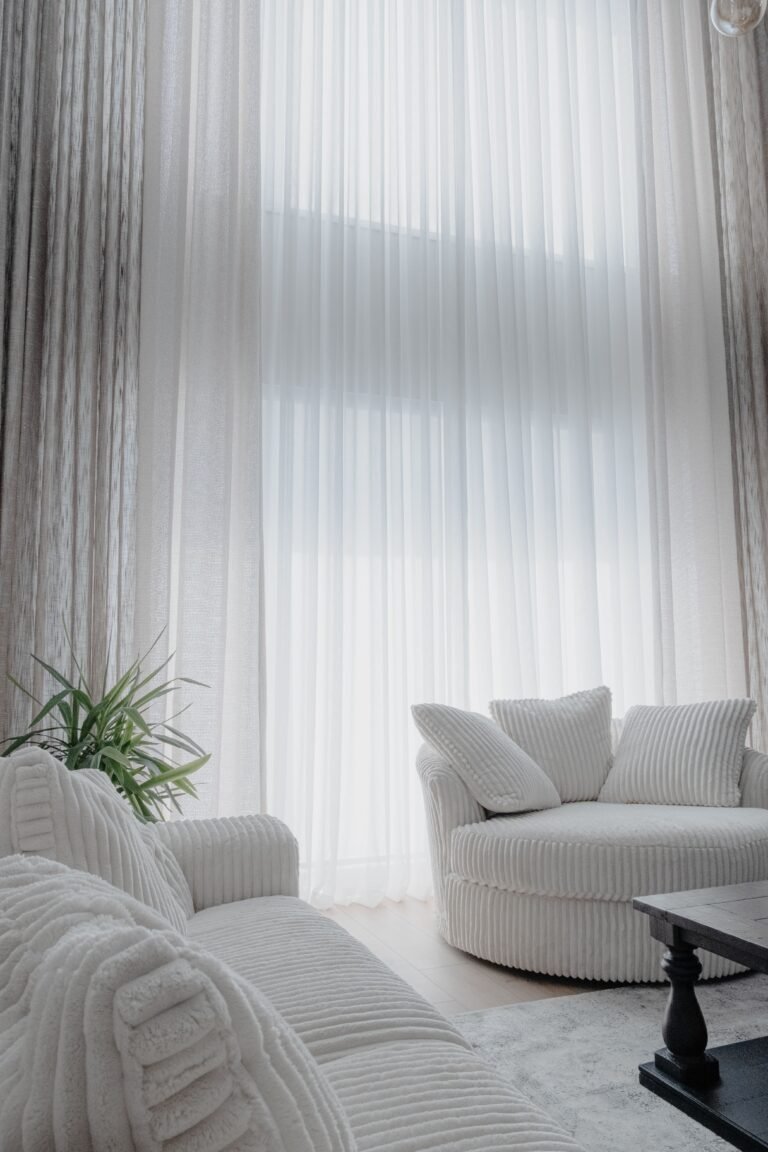
- Use sheer curtains instead of heavy ones during the day — they give you privacy without stealing the light.
- Choose light-colored decor. A pale rug, light cushions, and a light throw bounce daylight around the room instead of absorbing it.
- Keep the glass clean. It sounds obvious, but a dirty window can cut a surprising amount of light.
I swapped my heavy living room curtains for light sheers during the day (the heavier panels still close at night), and the room felt brighter from the very first morning.
Try this weekend: Clean your living room window, inside and out, and pull the curtains fully to the sides for a day. See how much daylight you’ve been missing.
Renter-Friendly Rules: Light Without Damage
Everything in this guide follows one rule: no drilling, no hardwiring, no damage. That’s not just about the deposit — it’s about keeping your options open. Every light in my living room can be unplugged, peeled off, or carried out the door when I move.
A quick checklist for renter-safe lighting:
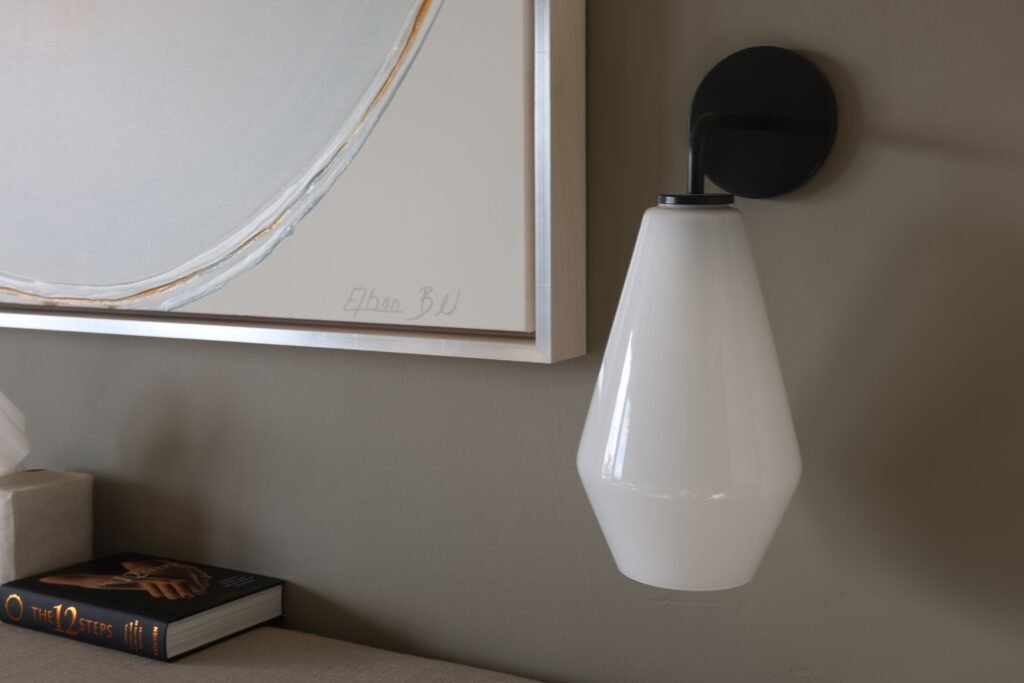
- Plug-in everything — floor lamps, table lamps, plug-in wall sconces (they exist, and they’re brilliant for renters).
- Adhesive LED strips — peel off cleanly with a little warmth from a hairdryer.
- Battery lights — fairy lights, battery candles, puck lights inside cupboards. Zero marks, zero wires.
- Lean, don’t hang — lean mirrors and art against the wall instead of drilling.
- Command hooks and strips — for hanging fairy lights or lightweight sconces, rated for the weight.
Mistake I made: I nearly drilled a hole for a wall sconce in my first month, convinced it was the only way to get light beside the sofa. Then I found a plug-in sconce that hangs on a small adhesive hook and plugs into the socket behind the sofa. Same light, zero holes, and I can take it with me. I was one drill-bit away from losing part of my deposit for nothing.
A Simple Lighting Plan for Your Living Room
If all of this feels like a lot, here’s the simple version — the exact setup I’d buy if I were starting from scratch tomorrow:
- One slim floor lamp in the darkest corner, warm bulb, pointed at the ceiling or arcing over the sofa.
- One small table lamp on the side table next to the sofa.
- One warm LED strip behind the TV.
- One mirror leaning opposite the floor lamp.
- All bulbs 2700K, dimmable if possible.
FAQs
How do you light a living room with no ceiling light?
Use three layers: a tall floor lamp for general light, one or two table lamps for warm light at sitting height, and an accent glow like LED strips or candles. Add a mirror opposite a lamp to bounce the light around. No ceiling fixture is needed.
What is the best lamp for a living room with no overhead light?
A slim arc floor lamp or a torchiere floor lamp is the best single purchase — it fills the room with soft, ceiling-bounced light. Pair it with a small table lamp beside the sofa for warm light where you sit.
Are LED strips renter-friendly?
Yes. Most LED strips attach with adhesive that peels off cleanly (warm it with a hairdryer first when removing). Battery-powered fairy lights and puck lights leave no marks at all, making them fully renter-safe.
What color temperature is best for a small living room?
2700K warm white. It gives a golden, cozy glow that makes a small room feel inviting. Avoid cool white (4000K and above), which makes a living room feel like an office.
Can you use plug-in wall sconces instead of hardwired ones?
Yes — plug-in sconces are made for renters. They mount with a small hook or adhesive strip, plug into a normal socket, and give you beautiful wall light with no drilling or wiring.
Your Turn
My living room went from a dark box I avoided after sunset to the room I spend every evening in — and it took a floor lamp, two small table lamps, an LED strip, and a mirror, all without a single hole in the wall. Now it’s your turn: which layer are you going to try first? The floor lamp, the table lamp, or the cozy LED glow behind the TV? Tell me in the comments — I read every one, and I’d love to hear how your no-ceiling-light living room turns out.
Written by Irtza — I write cozy, budget-friendly home decor ideas for small spaces. Real homes, renter-friendly tricks, and the honest mistakes I made along the way.

2 Comments