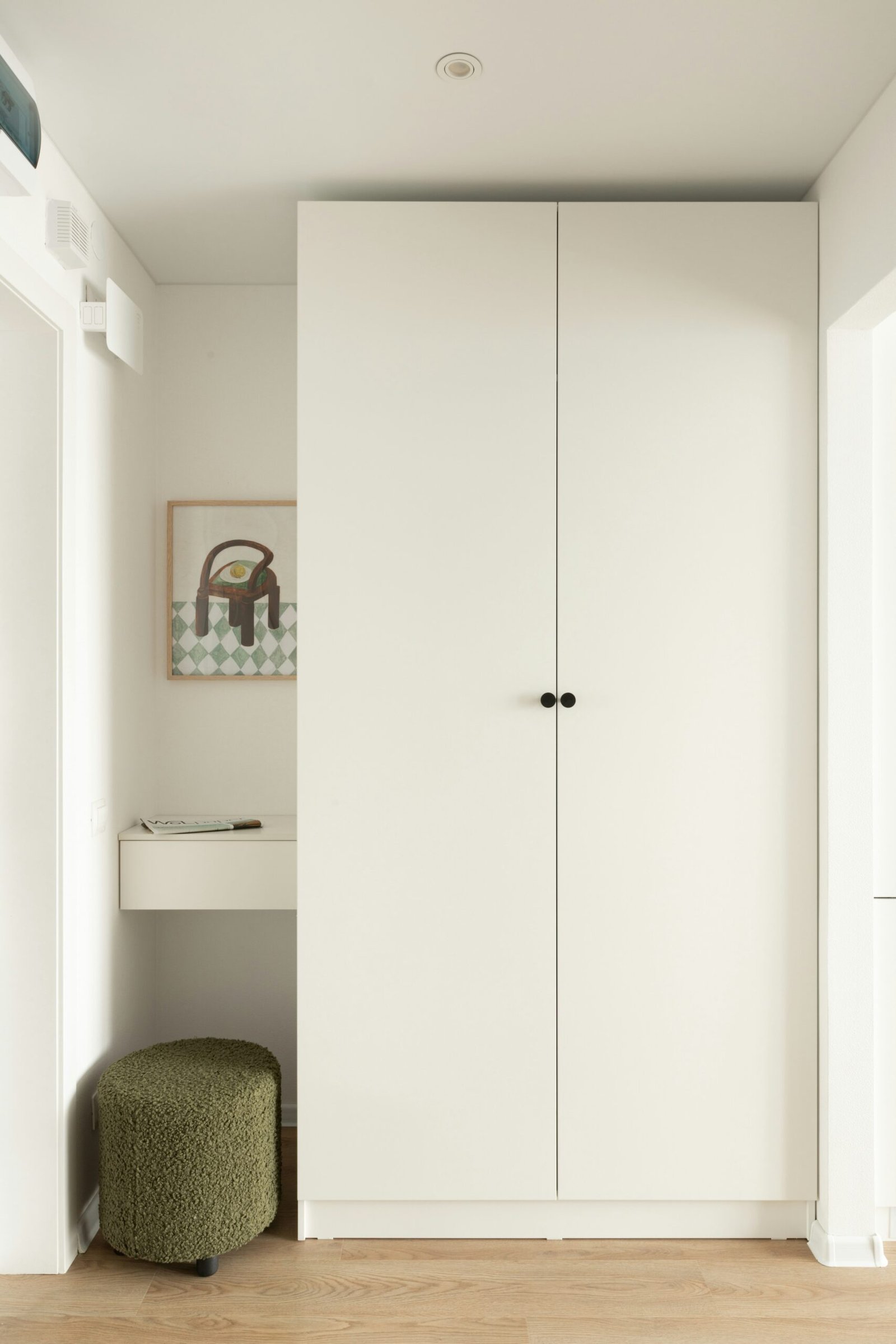
17 Entryway Decor Ideas for Small Spaces (2026)
Your entryway is the first thing you see when you walk through the door — and the last thing you see before you leave. It sets the tone for your whole home. But when your entryway is barely wider than the door itself, decorating it can feel impossible. Where does the shoe rack go? Is there room for a mirror? Will a console table just get in the way?
Here’s the good news: a small entryway doesn’t need a lot of space — it needs smart choices. With the right mix of vertical storage, slim furniture, and a few warm, personal touches, even the tiniest hallway can feel welcoming, organized, and beautiful.
In this guide, you’ll find 17 entryway decor ideas for small spaces that actually work in real apartments and small homes. Every idea is renter-friendly or budget-conscious, and each one is designed to make your entryway work harder without making it feel crowded.
1. Start With a Slim Console Table
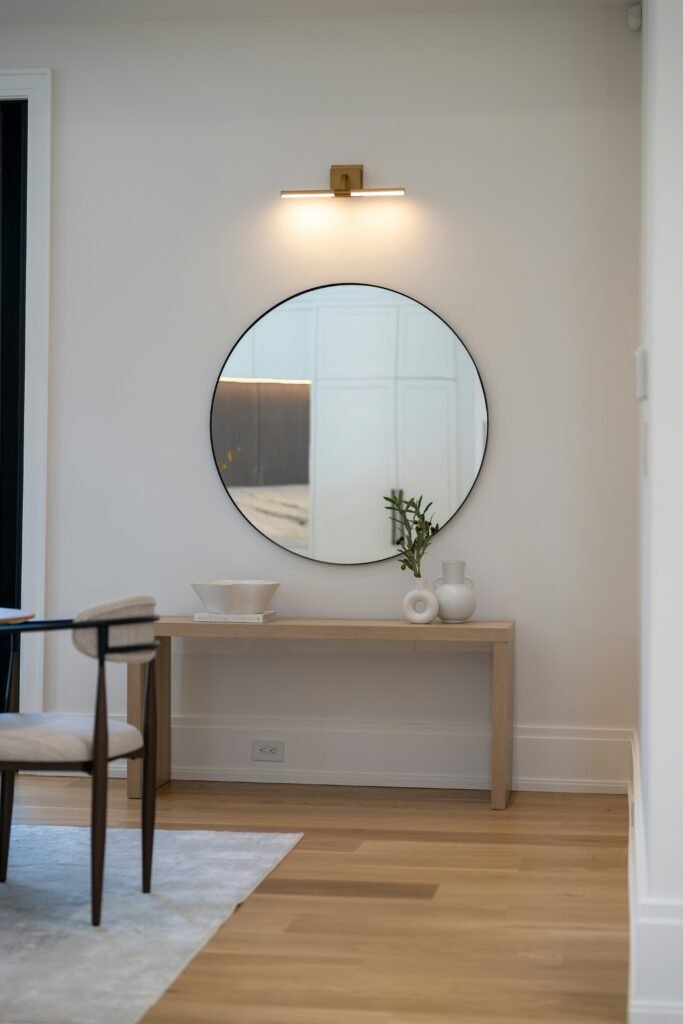
A console table is the classic entryway anchor — but in a small space, depth matters more than length. Look for a table that’s no deeper than 25–30 cm (10–12 inches). That slim profile gives you a landing spot for keys, mail, and a small vase without eating into your walkway.
Choose a table with an open lower shelf so you can tuck baskets underneath for shoes or dog leashes. A light wood or white finish keeps the piece feeling airy rather than heavy.
Tip: Leave at least 90 cm (about 3 feet) of clear walking space in front of the table. If you can’t, go narrower — a floating shelf can do the same job with zero floor footprint.
2. Hang a Statement Mirror
A mirror is the single most powerful trick for a small entryway. It bounces light around, doubles the sense of space, and gives you a last-minute check before you head out — three jobs in one piece.
An arched mirror softens a boxy hallway, while a round mirror adds a gentle focal point above a console table. Hang it at eye level, roughly 150 cm (5 feet) from the floor to the mirror’s center.
If your entryway is dark, place the mirror opposite a window or a light source so it catches and reflects as much light as possible.
3. Add Wall Hooks Instead of a Coat Rack
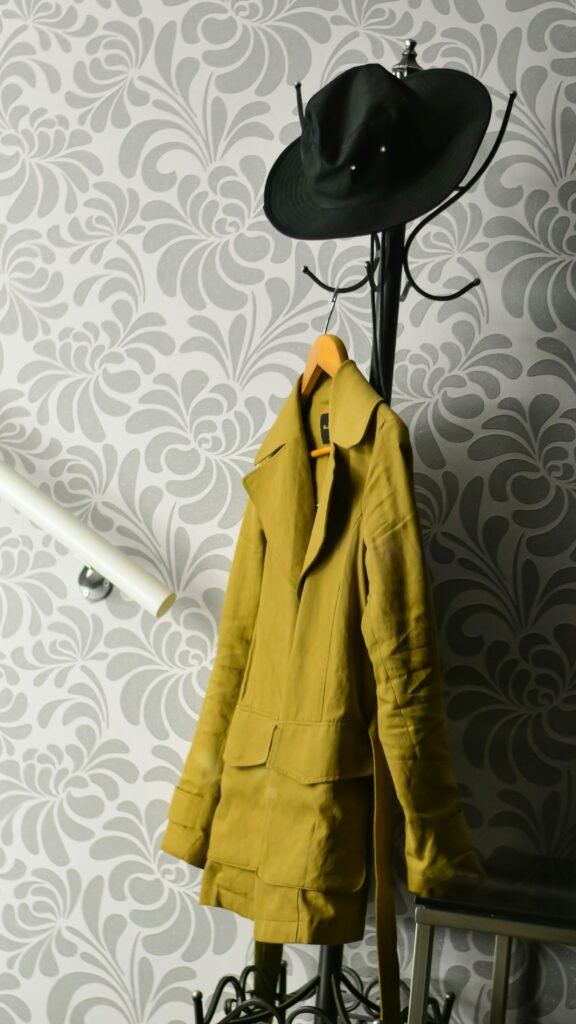
A freestanding coat rack eats floor space and always seems to tip over at the worst moment. Wall hooks are the small-space upgrade. A row of three to five hooks on a wooden rail holds coats, bags, hats, and dog leads — all without touching the floor.
Choose hooks with a bit of personality: matte black for a modern look, brass for warmth, or wooden pegs for a Scandinavian feel. Mount them at two heights if your household includes kids — lower hooks for little ones, higher ones for adults.
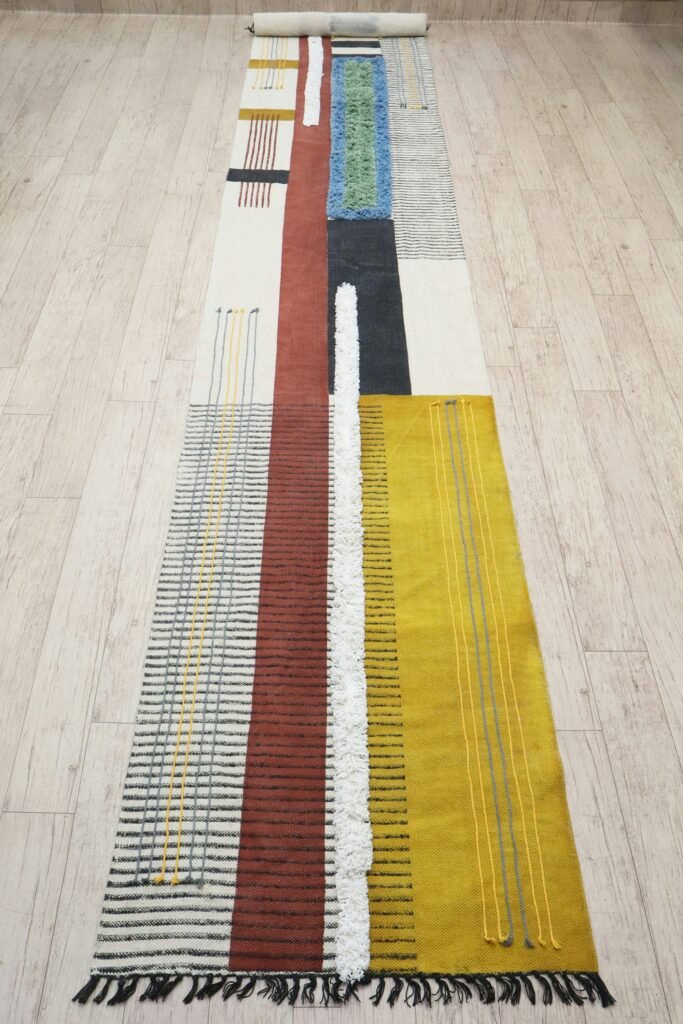
4. Define the Zone With a Runner Rug
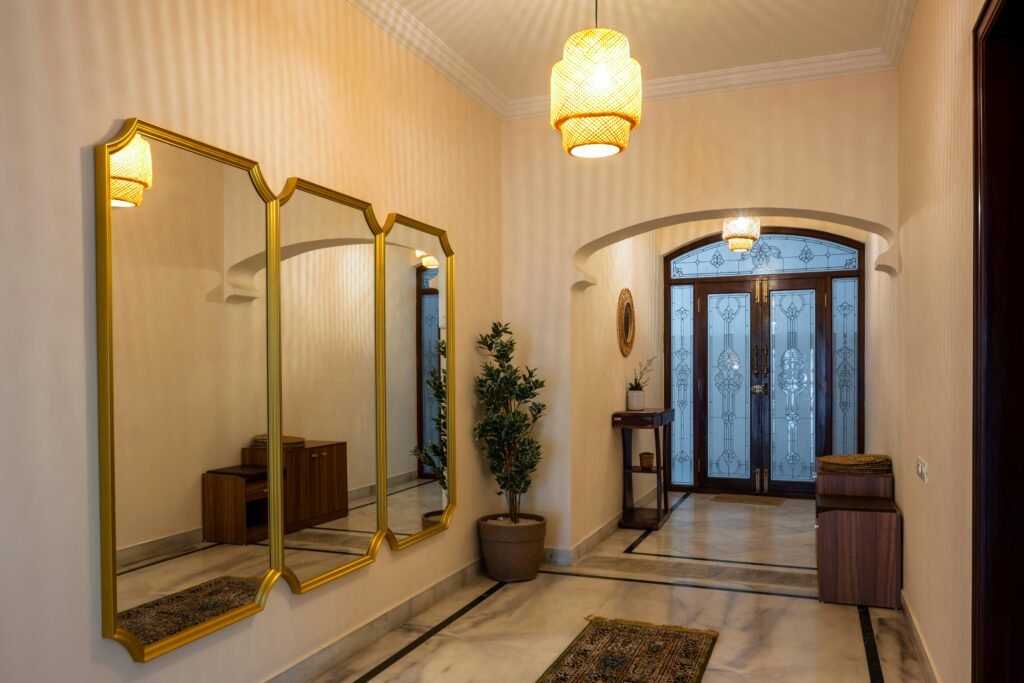
A runner rug does two things at once: it defines the entryway as its own zone and it protects your floor from muddy shoes and daily wear. In an open-plan apartment where the entryway bleeds into the living room, a rug is the simplest way to say “this is the entrance.”
Pick a low-pile, washable runner in a warm pattern — vintage-style, striped, or a subtle geometric. Make sure it’s long enough to cover the main traffic path but narrow enough to leave a border of floor visible on each side.
5. Use a Floating Shelf as a Mini Console
No room for a table at all? A floating shelf is your answer. Mounted at hip height, a single shelf holds a small tray for keys, a candle, and a framed photo — the essentials of an entryway, floating on the wall.
Pair it with a mirror above and hooks below, and you’ve built a complete entryway station in about 30 cm of depth. This is one of the best renter-friendly options, since a floating shelf usually needs just two screws and leaves minimal marks.
6. Corral Clutter With a Catch-All Tray
Small spaces look messy fast, and the entryway is where clutter lands first: keys, coins, sunglasses, mail. A catch-all tray turns that chaos into an intentional display.
Place a ceramic, wooden, or leather tray on your console table or shelf, and make it the rule: everything small lives in the tray. It takes two seconds to tidy and instantly makes the whole entryway look considered.
Tip: Choose a tray with raised edges so nothing slides off, and keep it small — if the tray is too big, it becomes a junk drawer in disguise.
7. Store Shoes in a Slim Cabinet
Shoes are the number one source of entryway mess. A slim shoe cabinet — the kind that’s only 15–20 cm deep with tilt-out compartments — hides a surprising number of pairs behind a clean, flat front.
Look for one with a top surface you can use as a display shelf. A small plant, a framed print, and a candle on top turn a storage piece into decor. If you rent and can’t mount anything, a freestanding slim cabinet works just as well.
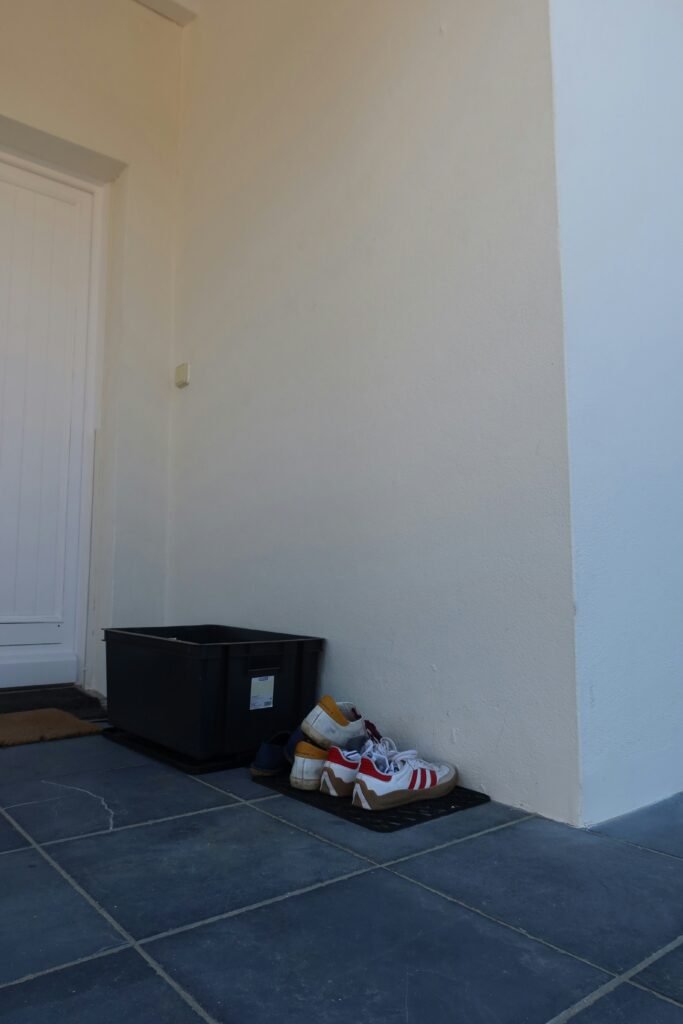
8. Go Vertical With a Tall, Narrow Shelf
When floor space is limited, go up. A tall, narrow shelving unit or ladder shelf uses vertical wall space that would otherwise go to waste. Style the top shelves with decor — a vase, a stack of books, a small basket — and use the lower shelves for practical storage like shoes or bags.
Keep the styling light on the top shelves and heavier at the bottom. This keeps the unit visually stable and stops a small entryway from feeling top-heavy.
9. Add Warmth With a Small Bench or Stool
A place to sit while you put on shoes is a small luxury that makes a big difference. In a tight entryway, a slim bench or a single stool is enough. Choose one with storage underneath — a bench with baskets or a lift-up seat doubles your storage without adding furniture.
If even a bench is too much, a sturdy stool tucked against the wall works beautifully and can be pulled out only when needed.
10. Layer in Soft Lighting
Most small entryways have terrible lighting — one harsh ceiling bulb, or none at all. A small table lamp or a wall sconce instantly makes the space feel warm and intentional.
A lamp on the console table casts a soft glow in the evening and makes coming home feel genuinely welcoming. Battery-operated wall sconces or plug-in picture lights are great renter-friendly options that need no wiring.
Tip: Warm white bulbs (around 2700K) flatter skin tones and make wood finishes glow. Avoid cool daylight bulbs in an entryway — they feel clinical.
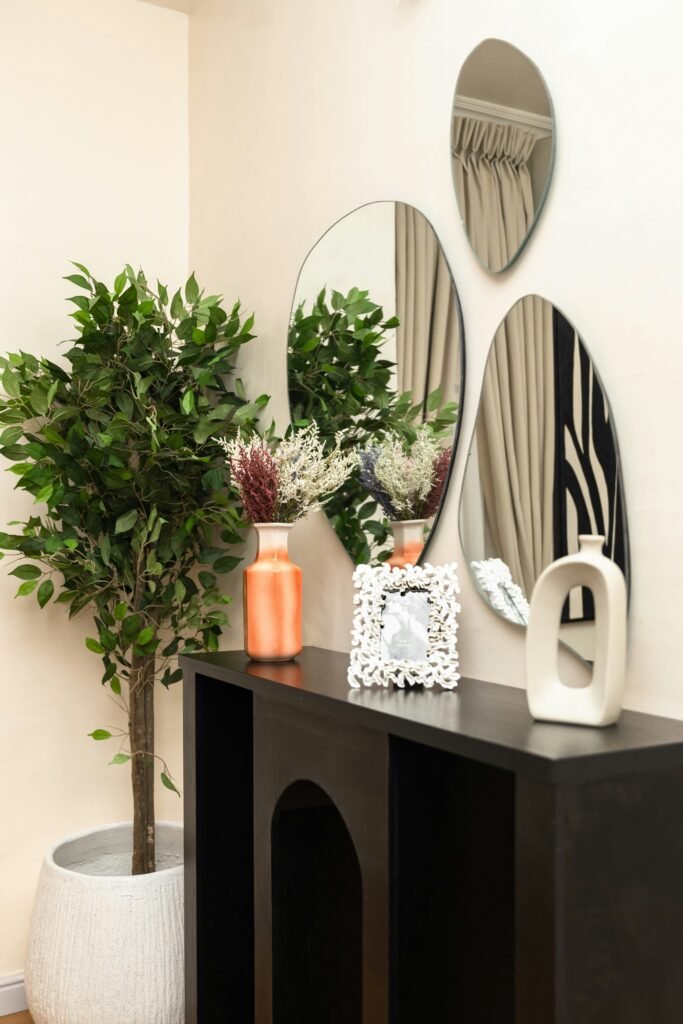
11. Bring in a Plant (Even a Small One)
A touch of green makes any entryway feel alive. A small potted plant on the console table or a trailing plant on a high shelf adds color, texture, and a sense of care.
Good low-maintenance choices for entryways include pothos, snake plants, and small eucalyptus stems in a vase. If your entryway gets no natural light at all, a high-quality faux plant or dried stems will give you the same visual warmth with zero upkeep.
12. Create a Gallery Wall — Mini Version
A full gallery wall can overwhelm a small entryway, but a mini gallery of three to five small frames adds personality without clutter. Mix a family photo, a small art print, and maybe a framed quote or a postcard from a trip.
Keep the frames in one color family — all black, all wood, all brass — so the grouping reads as one intentional piece rather than a random collection. Hang the arrangement as a tight cluster rather than spreading it across the whole wall.
13. Use Baskets for Hidden Storage
Baskets are the small-space decorator’s best friend. A woven basket under the console table hides shoes, scarves, gloves, and umbrellas while adding natural texture to the entryway.
Choose baskets that fit your furniture exactly — measure first. Seagrass, rattan, and cotton rope baskets all bring warmth, and they soften the look of hard furniture edges. Label them if you share the entryway with family or roommates.
14. Paint or Wallpaper One Accent Wall
If you want maximum impact for minimum effort, give your entryway its own color. A single accent wall in a warm terracotta, deep sage, or soft cream instantly separates the entryway from the rest of the home and makes it feel like a designed room rather than a passageway.
Renters can get the same effect with peel-and-stick wallpaper on one wall or even just the wall behind the console table. It’s removable, affordable, and completely transforms the space.
15. Hang a Key Holder by the Door
Nothing wastes more time than hunting for keys. A small key holder mounted right by the door — hooks, a magnetic strip, or a little shelf with pegs — ends the search forever.
Make it part of the decor: a brass hook rail, a wooden key box, or a row of leather loops all look intentional. Mount it at a height everyone in the household can reach, and put it on the wall you naturally face as you leave.
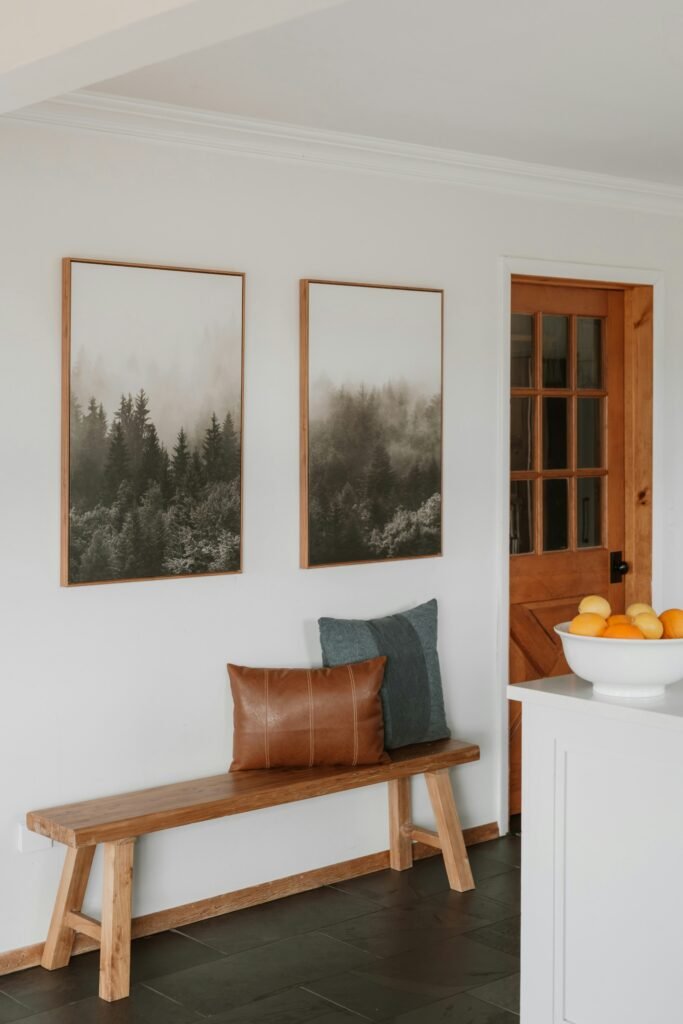
16. Keep It Cohesive With a Simple Color Palette
Small spaces look cluttered when every object is a different color. Pick two or three colors and repeat them throughout the entryway: the rug, the tray, the frames, the baskets. A warm neutral base — cream, warm wood, soft beige — with one accent color like terracotta or sage keeps everything feeling calm and connected.
This is the easiest way to make a small entryway look professionally designed. You don’t need expensive pieces; you need pieces that belong together.
17. Edit Ruthlessly — Less Is More
The final idea is the most important: edit. A small entryway can only hold so much before it tips from “charming” into “cluttered.” Every few weeks, take a fresh look and remove anything that isn’t useful or beautiful.
Ask of each item: does this earn its place? The coat you never wear, the pile of old mail, the broken umbrella — out. What’s left is an entryway that feels open, welcoming, and unmistakably yours.
Putting It All Together
You don’t need all 17 ideas — pick three or four that fit your space and your life, and start there. A slim console table, a mirror, wall hooks, and a runner rug will transform almost any small entryway in a single weekend.
The best entryways aren’t the biggest ones. They’re the ones where every piece has a purpose and every detail feels intentional. Your front door deserves that kind of welcome — and so do you, every time you come home.
For more small-space inspiration, explore our guides to small living room decor ideas and cozy small bedroom decor ideas — many of the same principles apply throughout your home. And if you’re decorating on a budget, our DIY home decor ideas show how to get an expensive look for less.
Frequently Asked Questions
How do I decorate a very small entryway?
Start with the essentials: a mirror to open up the space, wall hooks for coats and bags, and a small tray or shelf for keys. Add a runner rug to define the zone, then layer in one or two personal touches like a plant or a framed photo. Keep furniture slim and go vertical — floating shelves and tall, narrow storage work better than wide pieces in a tight entryway.
What furniture works best in a small entryway?
Slim console tables (25–30 cm deep), floating shelves, wall-mounted hooks, slim shoe cabinets, and small benches or stools. The key is choosing pieces that are narrow in depth and multi-functional — a bench with storage, a shoe cabinet with a display top, or a shelf that doubles as a key station.
How can I make a dark entryway feel brighter?
Hang a mirror opposite any light source to bounce light around the space, use warm white bulbs in a table lamp or sconce, and choose light-colored paint or wallpaper. A pale runner rug also reflects more light than a dark one. Avoid heavy, dark furniture in a windowless entryway — light wood and white finishes keep things feeling open.
How do I keep a small entryway organized?
Give everything a home: hooks for coats, a tray for keys and small items, a basket for shoes, and a slim cabinet for anything else. The rule is simple — if it doesn’t have a designated spot, it doesn’t live in the entryway. A quick two-minute tidy each evening keeps the space from sliding back into chaos.
Can I decorate a rental entryway without damaging the walls?
Absolutely. Use peel-and-stick wallpaper for an accent wall, Command hooks and strips for lightweight decor, a freestanding slim shoe cabinet instead of mounted storage, and a leaning mirror instead of a wall-mounted one. Most of the ideas in this guide are renter-friendly and leave no permanent marks.