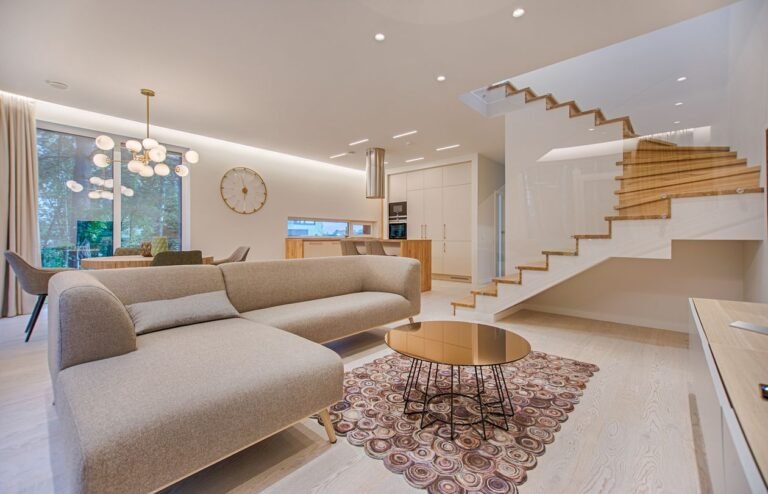
17 Hidden Storage Decor Ideas That Hide Clutter Beautifully (2026)
Here’s a confession: my flat used to look tidy in photos and chaotic in real life. The living room looked calm because everything — the chargers, the spare blankets, the shoes, the random cables — was stuffed into one cupboard, one drawer and the space behind the sofa. Then a friend opened the wrong cupboard, and the whole illusion fell apart in three seconds.
That was the day I stopped trying to own less and started learning how to hide better. In a small home, clutter isn’t a moral failure — it’s a storage problem, and the fix isn’t a bigger flat. It’s storage that looks like decor, so the tidy version of your home is also the real version.
These are the seventeen hidden storage ideas that actually worked in my small space — no renovation, no built-ins, and nothing that looks like a storage unit.
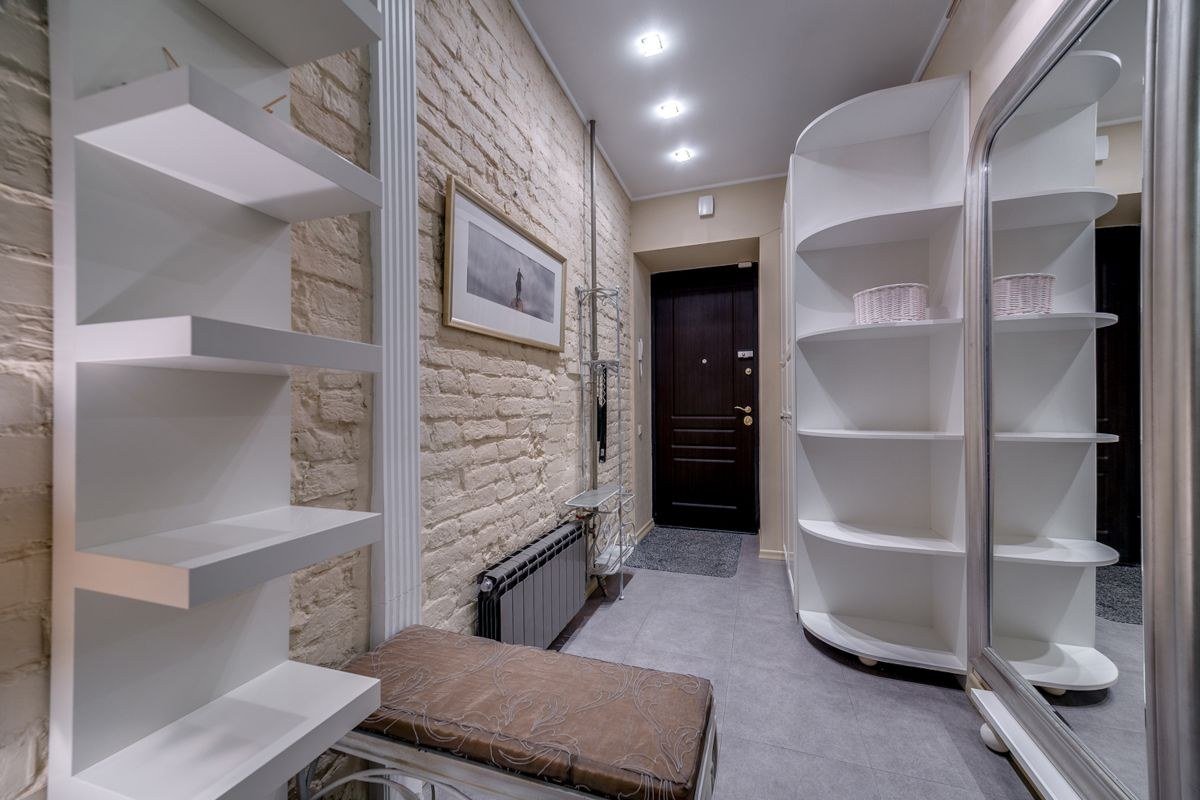
An entryway where the shelving is the decor — shoes, bags and coats all have a home, and nothing is on the floor. Photo: Pexels.
First, the Rule That Makes All of This Work
Before you buy a single basket, here’s the rule I wish someone had told me: every thing needs a home you can reach in five seconds. If putting something away takes longer than that, you won’t do it — you’ll put it on the nearest flat surface instead, and that’s how clutter is born. Every idea below follows that rule: storage that’s easy to use beats storage that’s pretty but awkward.
If your bedroom is the worst offender, start with my small bedroom storage ideas with no closet.
1. The One-Basket Rule (Start Here)
If you do nothing else from this list, do this: put one beautiful basket in every room where clutter collects. Mine holds the spare blankets in the living room and the scarves in the bedroom. The basket is the decor — woven texture, warm colour — and the mess inside it simply disappears.
Size matters more than style. A basket that’s too small overflows and looks worse than no basket at all. Measure the stuff first, then buy the basket that fits it — with a lid or a folded blanket on top if you want the contents truly invisible.

One woven basket per room: the basket is the decor, and the clutter inside it simply disappears. Photo: Pexels.
2. A Storage Ottoman That Earns Its Floor Space
I used to have a plain footstool in my bedroom. It held my feet and nothing else — a wasted opportunity in a small room. I replaced it with a storage ottoman: same footprint, same job as a seat, but the top lifts off and inside live the spare bedding and the winter jumpers. It looks like furniture. It works like a cupboard.
Mistake I made: I once bought a gorgeous velvet ottoman because it matched my bed — and only realised when I got it home that it didn’t open. It was a very expensive footrest. Now I check before I buy: if the top doesn’t lift, it doesn’t come home with me.
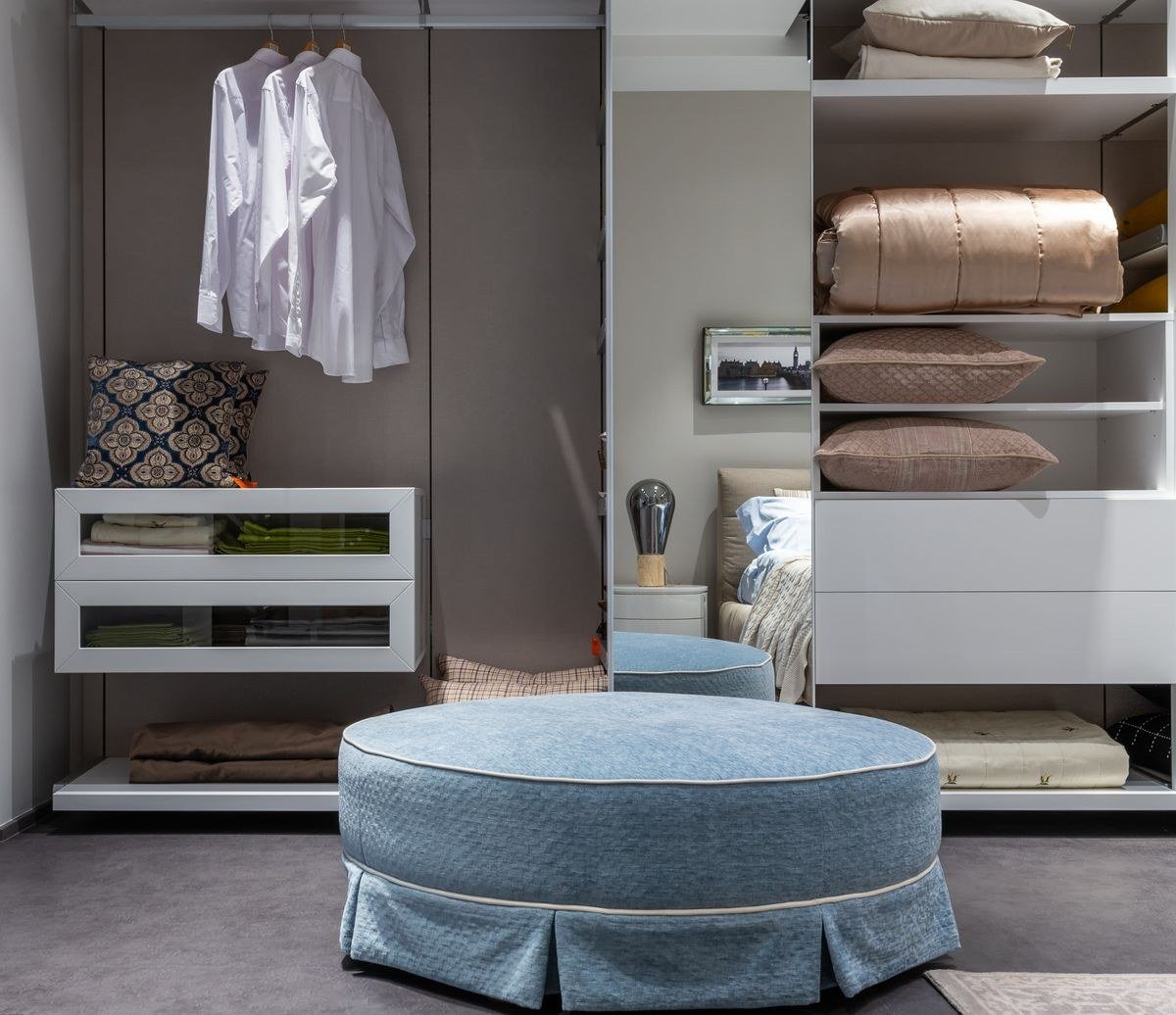
A storage ottoman looks like furniture and works like a cupboard — spare bedding and off-season clothes live inside it. Photo: Pexels.
- Test it in the shop: lift the lid, check the depth, and imagine the actual things going inside
3. An Entryway Bench With Baskets Underneath
The entryway is where clutter is born — shoes come off, bags get dropped, coats get thrown. My fix is a bench with baskets underneath it: I sit down to take my shoes off, the shoes go in the basket below, and the bench top stays clear for the one thing I’m carrying. The whole mess of coming home disappears into three baskets.
Give every category one basket: shoes, bags, and the stuff that lives by the door — hats, umbrellas, the dog lead. When a basket is full, that’s your signal to sort it, not to buy another one.
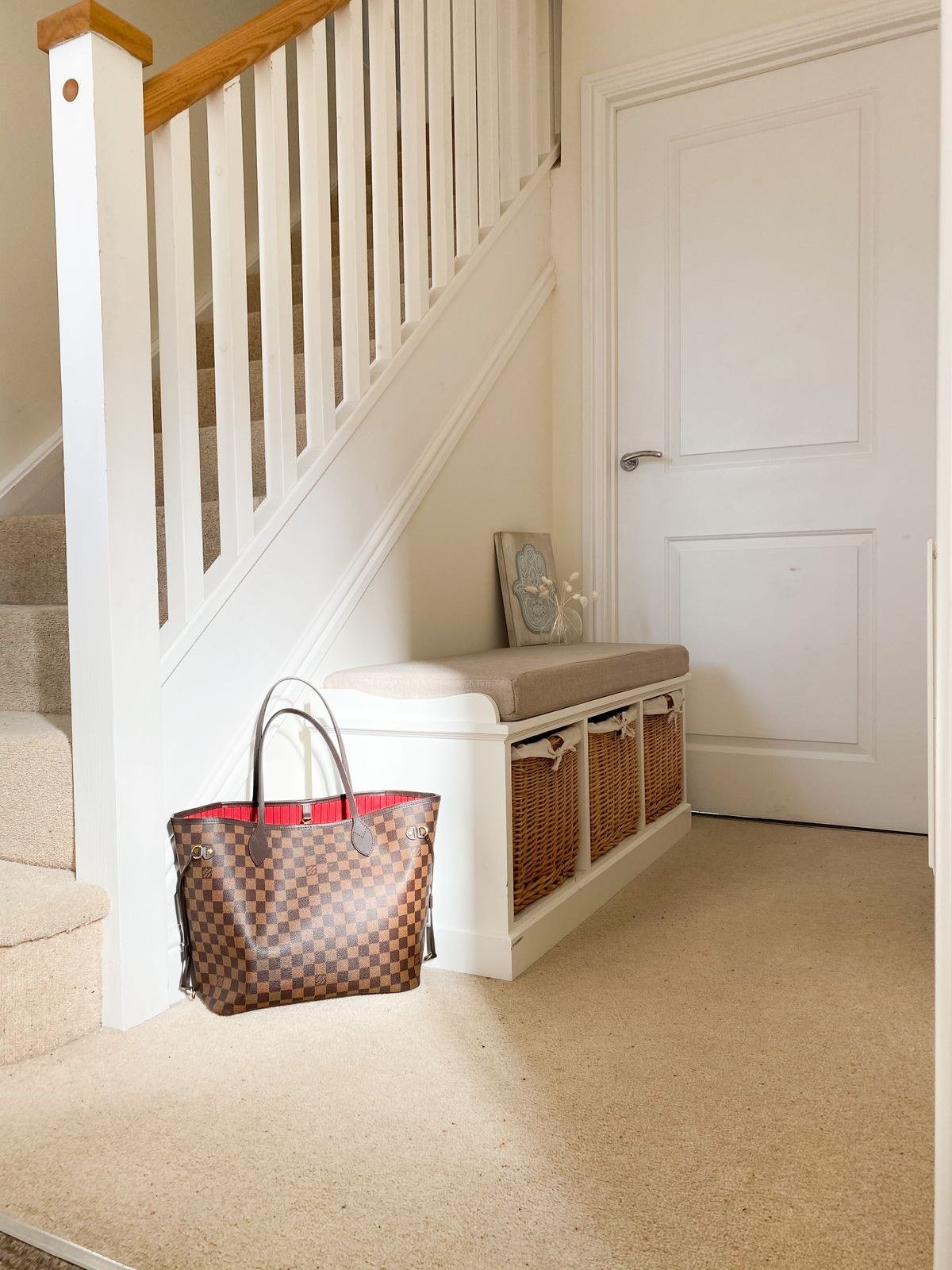
Sit, take your shoes off, slide them into the basket below — the whole mess of coming home disappears. Photo: Pexels.
If your entryway is still a blank wall, my entryway decor ideas for small spaces will help you plan the whole area.
4. Shoe Storage Behind the Door
Shoes are the single biggest clutter problem in a small home — they multiply by the door and there’s never anywhere good to put them. The fix that finally worked: a slim shoe cabinet behind the door, barely deeper than a shoebox. It holds eight pairs, looks like a narrow console table, and nobody would guess what’s inside.
- Slim beats big: a cabinet 15cm deep holds shoes fine and doesn’t eat your hallway

Eight pairs behind the door in a cabinet barely deeper than a shoebox — it looks like a console table. Photo: Pexels.
Try this weekend: count the shoes by your front door. If it’s more than two pairs per person, the extras go into storage today.
5. A Wardrobe Wall in the Living Room
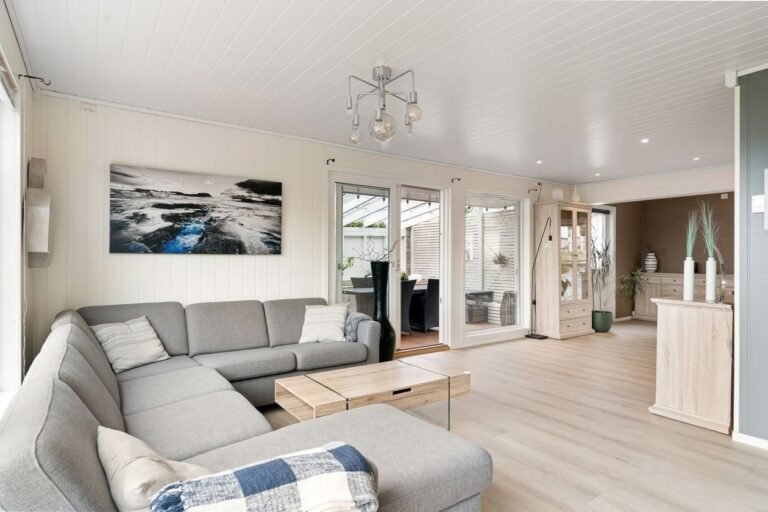
One wall of my living room is a row of tall, plain wardrobes — floor to ceiling, painted the same colour as the wall. Guests think it’s panelling. In reality it holds the vacuum, the board games, the wrapping paper and the spare cushions — about half my life. It’s the biggest hidden storage win in my flat.
The trick is making it disappear. Same colour as the wall, no handles (push-to-open doors), and nothing on top of it. The moment you put a vase on top, it becomes furniture — and the illusion breaks.
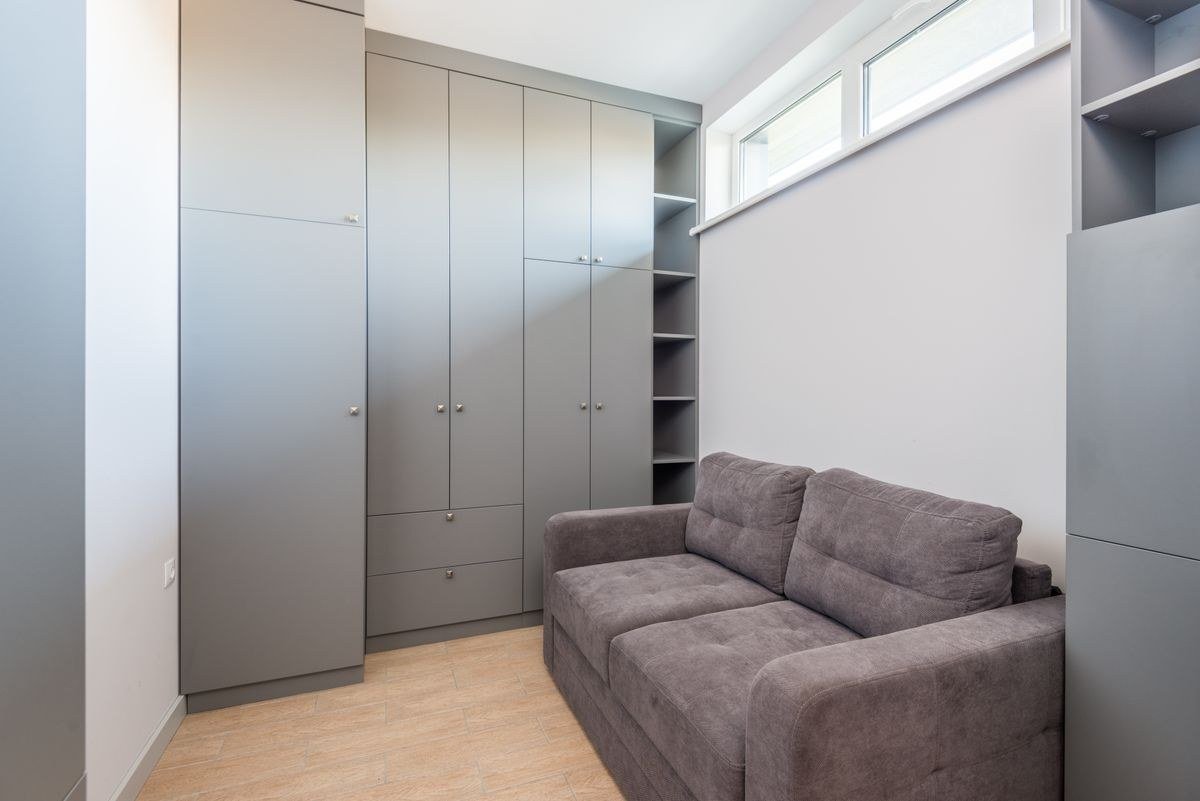
Floor-to-ceiling wardrobes painted the same colour as the wall — guests think it’s panelling. Photo: Pexels.
If your living room is doing too many jobs at once, my small living room decor ideas show how to zone one room for living, working and storing without it feeling crowded.
6. Kitchen Cabinets That Hide Everything
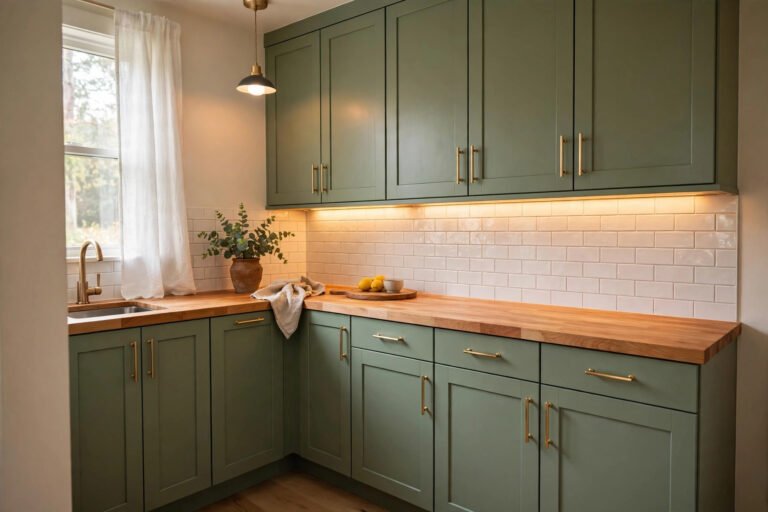
My kitchen has no pantry, so everything lives in the cabinets — and for a long time, opening a door meant things falling out. The fix was embarrassingly simple: small baskets inside the cabinets, one per category. Baking stuff in one, snacks in another, cleaning things in a third. Now I open a cabinet and see three neat baskets instead of a landslide.
- Clear baskets or labelled ones — if you can’t see what’s inside, you’ll forget it exists
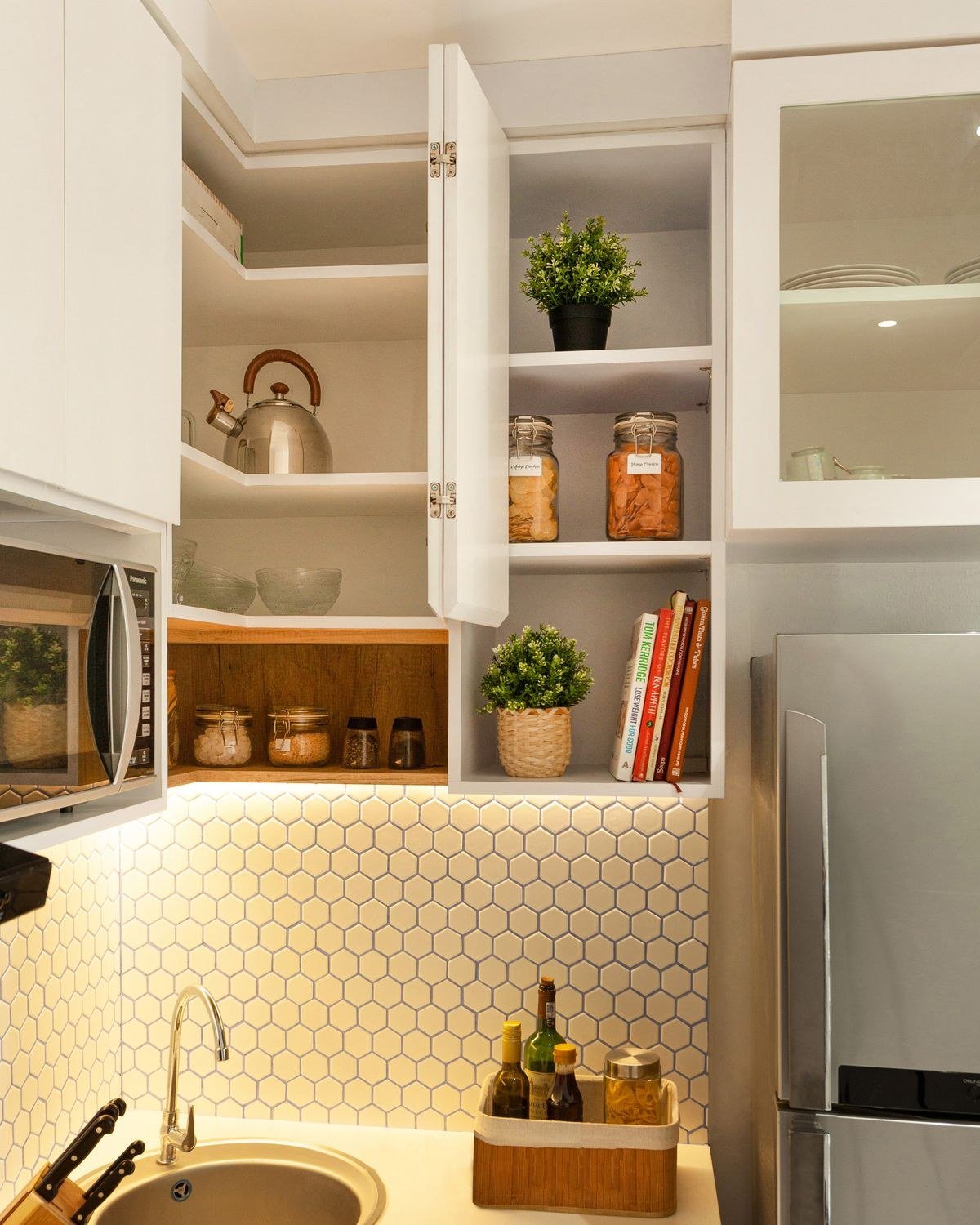
Baskets inside the cabinets, one per category — open the door and see three neat baskets instead of a landslide. Photo: Pexels.
Try this weekend: empty one kitchen cabinet completely, put back only what you used in the last month, and basket the rest by category.
7. A Bed That Hides Its Own Mess
The space under the bed is the biggest unused storage area in most small homes — and the easiest to waste. I bought flat, lidded boxes that slide under the bed on both sides: off-season clothes on one side, spare bedding on the other. From the outside you’d never know — a long throw hides the boxes completely.
Mistake I made: My first under-bed boxes were too tall. They didn’t fit, so they lived next to the bed for a month, which was somehow worse than having no boxes at all. Measure the gap under your bed before you buy anything — mine is exactly 18cm, and now I know that number by heart.
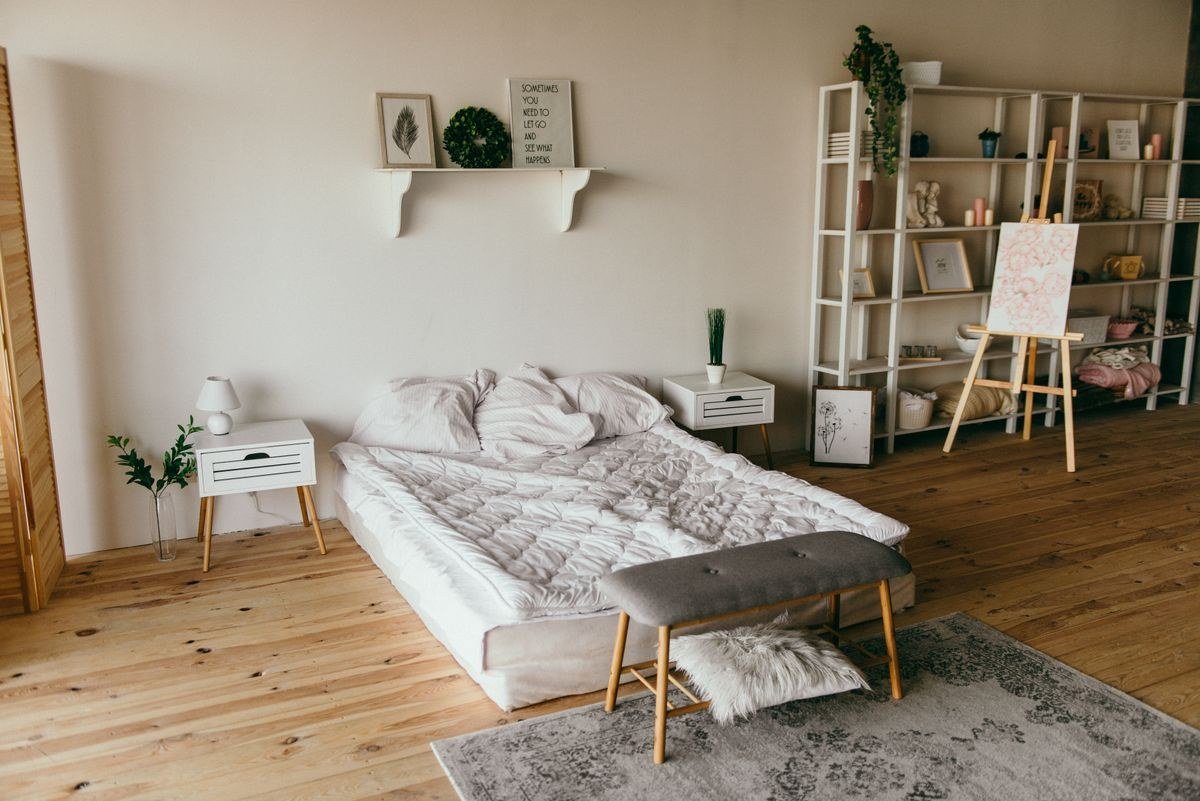
Flat lidded boxes under the bed hold off-season clothes and spare bedding — invisible from the doorway. Photo: Pexels.
8. Curtains Instead of Wardrobe Doors
If you don’t have a closet — and plenty of small flats don’t — an open clothes rail with a curtain in front of it is the oldest trick in the book. I hung a simple linen curtain on a tension rod in front of my rail, and suddenly my clothes were hidden behind something that looks like a design choice, not a compromise.
The curtain has to look deliberate. A nice linen curtain, hung straight and full-length, reads as intentional. A bedsheet nailed to the wall does not — and keep the rail tidy behind it, because you’ll see it every morning.

An open rail with a linen curtain in front — it looks like a design choice, not a compromise. Photo: Pexels.
9. Baskets on the Sofa (Decor That Stores)
This one is my favourite because it’s so sneaky. I keep two woven baskets on the sofa itself — one holds the remote controls and the current book, the other holds the throw blanket when it’s not in use. They look like styling, like I put them there to be pretty. And I did — but they also hold all the little things that used to live on the coffee table.

Two baskets on the sofa hold the remotes, the current book and the throw — they look like styling, and they are. Photo: Pexels.
- One basket per sofa section is the limit, or you’re sitting on storage instead of a sofa
Try this weekend: put the three things that live on your coffee table into a basket on the sofa instead, and see how much bigger the table feels.
10. The Entryway Shelf That Does Double Duty
A narrow floating shelf by the door is one of the smallest storage wins I know. Mine holds my keys in a little dish, the post in a small tray and a tiny plant — and underneath, two hooks hold the bag and coat I wear every day. It’s one shelf doing the job of a whole hallway table, sticking out less than 20cm from the wall.
If your home is a studio, where the “entryway” is just the front door opening into the living room, my studio apartment layout ideas show how to carve out a proper entry zone without building a wall.
11. Under-Bed Boxes, Labelled Like You Mean It
Labelling is what makes under-bed storage actually usable. I label the ends of every box — “winter jumpers,” “spare bedding,” “gift wrap” — in big, clear words. Before I did that, I owned a set of mystery boxes I was slightly afraid to open.
- One category per box, always — mixed boxes become mystery boxes within a month
Try this weekend: measure the gap under your bed, order one flat box — just one — and see what disappears into it.
12. The Coffee Table With a Secret
My coffee table has a lift-up top and a shelf underneath, and it hides more than any other piece of furniture I own — the laptop, the notebooks, the board games, the charging cables. From the sofa it looks like a plain wooden table. Underneath, it’s a cupboard.
13. Storage Behind Art and Mirrors
This is the most “hidden” idea on the list, and my favourite party trick. A large mirror on a shallow cabinet — the kind sold as a bathroom cabinet — mounted in the hallway holds keys, sunglasses and all the little going-out things. Everyone sees a mirror. Nobody sees the cabinet.
- Shallow is key: 10 to 12cm deep is enough for the little things and still looks like a mirror on the wall
Try this weekend: empty the bowl or pile where your keys live, and move them into one hidden spot by the door — a mirror cabinet, a drawer, a hook inside a cupboard.
14. The “One Drawer” Rule
Every home needs one junk drawer — the trick is keeping it to one. Mine is the top drawer of the side table: batteries, tape, a spare key, the random screws. Everything else has a real home, and this drawer is the only place allowed to be messy. The moment a second drawer starts becoming a junk drawer, I empty it the same day.
Mistake I made: I once let the junk spread to three drawers “temporarily” — and then I couldn’t find anything, anywhere. One junk drawer is a system. Three junk drawers is just clutter with a drawer front on it.
15. Toy and Blanket Storage That Looks Like Decor
If kids, guests, or just a lot of blankets live in your home, you need storage that can be opened by anyone and still look good closed. My answer is a lidded woven trunk at the end of the sofa: it holds the spare blankets and the board games, works as a side table, and when the lid is on, it’s just a beautiful box. Nobody has ever asked what’s inside — and that’s the point.
- Lidded beats open for anything you don’t want to look at — open baskets are for blankets, lidded boxes are for everything else
- Put it where the mess happens: the trunk lives by the sofa because that’s where the blankets end up
16. Vertical Storage: The Top 30cm of Every Wall
Look at your walls. The top 30cm — above the door frames, above the wardrobes, above the kitchen cabinets — is almost always empty, and it’s perfect for the things you need twice a year. I put one long, shallow shelf above my bedroom door for the spare bedding, and another above the kitchen cabinets for the big serving dishes. Out of sight, and using space that was doing nothing.
17. The Ten-Minute Weekly Reset
This is the idea that makes the other sixteen keep working. Every Sunday evening I spend ten minutes — I set a timer — putting everything back in its hidden home. Baskets get tidied, the entryway bench gets cleared, the coffee table gets its tray back. Ten minutes a week is all it takes, because the storage is already there.
FAQs About Hidden Storage Decor
How do I hide clutter without buying lots of furniture?
Start with baskets — one per room, sized to the mess. They’re the cheapest hidden storage there is, and they work in a rental with zero installation. Add a storage ottoman or an entryway bench only if the baskets aren’t enough.
What’s the best hidden storage for a rental?
Anything freestanding: baskets, storage ottomans, under-bed boxes, and curtain-covered rails. All of it moves with you, needs no drilling, and leaves no marks. Avoid anything that needs screws in the wall unless your landlord has said yes.
How do I stop hidden storage from becoming hidden mess?
Two rules: one category per container, and a label on everything you can’t see into. A box without a label becomes a mystery box within a month.
Where should I start if my whole flat feels cluttered?
Start at the front door. The entryway is where clutter enters the home, so a bench, a basket for shoes and a hook for your bag will change the whole flat faster than any other single change. Then work room by room, one basket at a time.
Can hidden storage really work in a studio apartment?
Yes — and it matters even more there, because there’s nowhere for clutter to hide. My studio apartment layout ideas show how to zone a studio so the storage stays invisible and the living space stays open.
Your Turn
Hidden storage only works if you use it — so here’s my challenge: pick one idea from this list and try it this weekend. The basket, the ottoman, the entryway bench — just one. Then come back and tell Irtza which one you picked and whether your room feels different. I read every comment.
Written by Irtza — I write cozy, budget-friendly home decor ideas for small spaces. Real homes, renter-friendly tricks, and the honest mistakes I made along the way.